Basement waterproofing is never a “set it and forget it” project. Even the best systems need a little care from time to time, so think of your waterproofing like a reliable car. It can run smoothly for years, but only if you change the oil, check the tires, and listen for the odd rattle. Ignore the small stuff, and suddenly you are dealing with a breakdown at the worst possible moment, and then things can get really expensive, really quickly.
Your basement works the same way. A tiny crack here, a clogged downspout there, or a tired sump pump that’s on its last legs, and you might have a quiet recipe for disaster on your hands when water decides it’s time to pay your basement an unannounced visit. Left unchecked, these issues can quickly lead to costly repairs, damaged belongings, and more stress than anyone wants during heavy rain or snowmelt (or any time, really).
That’s why we’ve put together a comprehensive waterproofing maintenance checklist that’ll help you stay ahead of problems before they spiral (or prevent them altogether, which is even better). Whether you are a homeowner, a property manager, or someone who has already invested in basement waterproofing, we’ve got you covered. When you need expert help, GAMCON is here, ready to provide professional basement waterproofing inspection services.
Key Takeaways for Busy Homeowners
- Regular basement waterproofing maintenance can prevent thousands of dollars in future repairs.
- Different systems need different types of care.
- Seasonal changes create unique risks, especially in Toronto’s climate.
- Sump pump maintenance is one of the most important steps.
- When you spot warning signs, booking a waterproofing inspection is always the safest move.
Why Basement Waterproofing Maintenance Matters
Basement waterproofing is one of the things most of us either don’t know we have or completely forget – until it fails. Water can be one of the most insidious things to infiltrate your home, so basement waterproofing maintenance is about more than avoiding puddles on the floor. It’s about protecting your home from more serious, long-term damage.
Regular care can extend the lifespan of your interior drainage systems, exterior waterproofing membranes, sump pumps, and seals by quite a bit, because these components work around the clock, quietly handling water that would otherwise make its way into your home (or pump it out). And when they fail, the results can be expensive and unpleasant.
In addition to the direct damage it can cause, water can also lead to mould growth, wood rot, musty odours, and even structural issues. These problems affect indoor air quality and can impact your property value, so you can see that ensuring water stays where it should be, outside, should be very high up on your list of things to do. A proactive waterproofing maintenance checklist is a smart way to prevent emergencies, preserve your investment, and keep your basement dry year-round.
Understanding Your Basement Waterproofing System
Every home has a unique combination of systems working together, so understanding what you actually have and how it works is the first step toward proper maintenance.
Interior drainage systems
These systems sit inside the foundation to move water into a sump pump or drain. Maintenance keeps them clear of debris and ensures optimal flow.
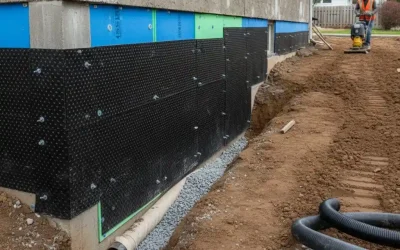
Exterior waterproofing membranes
You can find these membranes along the outside of your foundation walls, serving as your primary moisture barrier and preventing water from getting into your walls and basement in the first place. While they don’t require constant attention, it’s still important to monitor for signs of stress or soil movement.
Sump pumps and discharge lines
A sump pump is the heart of many waterproofing systems because it collects and removes excess water before it enters your basement (fun fact: the sump is the pit that’s at the bottom of your basement where the water collects). Discharge lines ensure water is safely moved away from your home.
Crack repairs and sealants
Cracks might be small, but they can be mighty troublemakers. Even hairline cracks can expand over time if left unmonitored and unrepaired, especially if water has a chance to freeze in them.
Maintenance varies widely by system type because each component handles water differently. Knowing your setup helps you address issues sooner and understand when you need GAMCON waterproofing services.
Also Read: How Long Does Basement Waterproofing Last? Key Lifespan Factors
Year-Round Basement Waterproofing Maintenance Checklist
With a consistent waterproofing maintenance checklist, you can ensure you’re always one step ahead. Here are the essentials to keep in mind each month.
- Walk through your basement regularly to look for dampness, musty odours, or water stains.
- Test your sump pump by pouring water into the pit until the pump activates.
- Check discharge lines for blockages or ice.
- Inspect foundation walls for new cracks.
- Make sure dehumidifiers run efficiently in humid seasons.
- Confirm gutters, downspouts, and exterior grading are guiding water away from the home.
These might all be small habits, but they can prevent big problems. A few minutes each month can save you from a costly emergency.
Seasonal Waterproofing Maintenance Tips
Spring — Snowmelt and Heavy Rain Readiness
Spring in Toronto is always a wildcard. One day you are wearing a parka, the next you are hearing the familiar gush of snowmelt, making this season the ultimate test of your basement’s defences.
- Check your basement for signs of water intrusion after the thaw.
- Test your sump pump frequently. With heavy spring rain, pumps tend to work overtime.
- Inspect exterior drainage, including downspouts and grading, to ensure water is flowing well away from the home.
If anything looks suspicious, spring is the perfect time to book a waterproofing inspection and get ahead of potential issues.
Summer — Humidity Control
Summer is humid enough to make anyone feel like they are living inside a steam room, and your basement can feel it, too. Moisture in the air can lead to condensation on cold surfaces, creating that classic musty smell no one wants and can be really difficult to get rid of again.
- Keep an eye out for condensation, mould, or odours.
- Maintain your dehumidifiers and clean or replace filters as needed.
- Inspect window wells and seals since summer storms can test their strength.
Not sure whether what you are seeing is normal? Asking yourself questions like “Should this wall feel damp right now?” is not overreacting. It is smart. If something seems off, trust your instincts. Hint: Walls should never feel damp.
Fall — Prepare for Wet Weather
Fall is your opportunity to get your waterproofing ready for months of wet conditions, especially if it involves outside work.
- Clear gutters and downspouts to prevent fallen leaves from clogging the flow.
- Check that exterior grading has not shifted. Soil can settle and change water direction. Water should always flow away from your home, not towards it.
- Schedule a professional inspection before winter. There is nothing worse than discovering a surprise leak in the middle of January.
A proactive fall appointment ensures everything is ready for the colder months ahead.
Winter — Cold Weather Precautions
Cold weather brings unique challenges for preventing basement moisture, and none of them are simple.
- Prevent frozen discharge lines by ensuring they are correctly angled and free from blockages.
- Watch for ice-related foundation stress, especially after freeze-thaw cycles.
- Maintain indoor humidity balance to avoid condensation on cold surfaces.
While winter maintenance may seem minimal, the risks are significant. A small oversight can turn into a major leak when the first thaw arrives.
Also Read: Basement Waterproofing Myths That Could Cost You Thousands
Sump Pump Maintenance — A Critical Priority
If your waterproofing system had a hero, it would be the sump pump. It’s one part of your home you never see, but it quietly handles the heavy lifting, especially during severe weather. Regular sump pump maintenance is essential to keep your basement dry year-round.
How often should you test your sump pump?
At least once per month. Testing helps ensure the float switch, motor, and discharge line are fully functional. It’s as simple as dumping a bucket of water into the sump and seeing if the pump kicks in.
Importance of backup systems
A backup pump or battery system protects you if the primary pump fails or the power goes out. No one wants to watch their sump pit fill up during a blackout.
Signs your pump may be wearing out
If your pump makes strange noises, goes through irregular cycles, or is constantly running, make sure to get it checked as soon as possible, as all of them are red flags.
When replacement is recommended
Most pumps last five to ten years. If yours is older or showing signs of fatigue, replacement may be the safest option; you don’t want to take any chances.
This is often where homeowners choose to schedule professional support from GAMCON waterproofing services, because we can spot issues you might not be able to see.
Exterior Maintenance That Protects Your Basement
Many basement leaks begin on the outside, so that some simple exterior maintenance can work wonders for long-term protection.
Proper grading and soil slope
Ensure soil slopes away from your foundation by at least six inches over ten feet. Soil can settle over time, so just because it was properly graded last year doesn’t mean it still is.
Downspout extensions
Downspouts should extend at least six feet away from your home to prevent water from pooling near the foundation.
Window well covers
These keep out rain, snow, and debris. A clear cover can also brighten basement spaces by letting in natural light.
Landscaping mistakes to avoid
Avoid planting trees or deep-rooted shrubs too close to the foundation. Roots can interfere with your waterproofing system and create small holes that water can seep through.
Exterior habits like these provide a strong first line of defence.
Warning Signs Your Waterproofing Needs Professional Attention
Sometimes your home is trying to tell you something; you just have to know what to look for. Knowing the warning signs of basement water issues can save you time, money, and stress, so never underestimate them or push them aside.
- Persistent dampness
- Water stains or efflorescence
- Mould growth or musty smells
- Cracks widening over time
- Sump pump running constantly
Any of these symptoms can indicate that your waterproofing system needs help. When in doubt, scheduling a waterproofing inspection is always the best move to make sure.
DIY Maintenance vs Professional Inspections
A lot of basement waterproofing maintenance can be handled with a little DIY effort. For example, you can check drains, monitor humidity, test sump pumps, and inspect exterior areas.
However, professional inspections go considerably further, as our experts have tools to detect hidden leaks, assess membrane condition, check for cracks, and evaluate overall system performance. That’s why we strongly recommend annual inspections, because many problems start small and silently.
This is where GAMCON provides real value. Our trained technicians understand well how waterproofing systems interact and can spot issues long before they become emergencies. It’s like having a trusted mechanic for your home’s foundation.
How GAMCON Helps Homeowners Maintain Dry Basements
GAMCON doesn’t offer homeowners quick fixes; instead, our approach focuses on long-term protection and prevention. We’re here to help you maintain a dry, healthy basement year-round with professional waterproofing inspections, preventive maintenance recommendations, repair options, and strategies tailored to Toronto’s challenging climate.
Don’t wait for water damage to appear. Contact GAMCON today for a professional basement waterproofing inspection and year-round peace of mind.
Your Year-Round Blueprint for a Dry, Healthy Basement
Keeping your basement dry isn’t about luck; it’s about consistency, awareness, and a little help from a team that knows waterproofing inside and out. By following this waterproofing maintenance checklist, understanding your system, preparing for each season, and recognizing early warning signs, you can prevent emergencies and protect your home for years to come without any nasty and expensive surprises.
A dry basement is more than a nice-to-have because it supports your home’s value, comfort, health and safety. When you need a trusted partner in basement waterproofing maintenance, GAMCON is here to help.
Let this be your year-round guide and your reminder that a little maintenance goes a long way.