Basement waterproofing is one of the things you never think about unless you really need it. And let’s be honest, it’s one of those investments that quietly works in the background, where it protects your home from water damage, mould, foundation movement, and a whole lot of headaches you would rather avoid, so while you never see it, it does some heavy lifting for your home. When it is done properly, it feels a little like magic. The water stays out, the basement stays dry, and life goes on, and you never have to think about it again.
Naturally, homeowners often ask the big question: How long does basement waterproofing last?
It would be great if there were a single, simple answer. Something like “exactly 37 years and 4 months.” But, unfortunately, it’s a little bit more nuanced than that because the lifespan of basement waterproofing depends on a couple of things, such as the method used, the soil around your home, how much hydrostatic pressure your foundation is dealing with, the quality of installation, and even the maintenance you perform over time, so as you can see, a lot is going into this.
Key Takeaways
- Basement waterproofing lifespan varies widely depending on the system, soil, climate, and installation quality.
- Exterior waterproofing systems generally offer the longest lifespan, often 25 years or more with proper maintenance.
- Interior systems protect from the inside but typically require more ongoing care.
- Regular inspections help prevent small moisture issues from becoming major repairs.
- Sump pump lifespan and drainage system performance play a massive role in long-term basement moisture control.
- GAMCON provides expert assessments, repairs, and long-lasting solutions tailored to Toronto homes.
What Does “Lifespan” Mean for Basement Waterproofing
When people ask us about basement waterproofing lifespan, they are usually referring to how long a system can keep water out before performance starts to decline. However, there actually are two different types of timelines to consider:
Manufacturer or Contractor Warranty
This is the guarantee you receive on materials or workmanship. Many waterproofing products offer warranties that range anywhere from 10 years to a lifetime. That being said, warranties obviously are reassuring, but they don’t always reflect how long your waterproofing will actually perform in the real world. They just mean that they’re confident it’ll last as long, and if it doesn’t, they’ll fix it.
Real-World Life Expectancy
Now, this is how long your waterproofing system actually continues to work under actual conditions. And this is the one that’s influenced by all the good things, such as soil properties, freeze and thaw cycles, groundwater pressure, and even the slope of your yard.
So while your foundation waterproofing membrane might come with a lifetime warranty, real-world performance might average closer to 20 to 30 years.
Why Some Systems Last Longer
Not all systems are built the same, either. Systems that manage water at its source, such as exterior membranes paired with drainage systems, tend to last longer. In contrast, interior-only systems, while effective for moisture control, often rely on pumps and drains that require maintenance and occasional replacement, so you can see why it’s so hard to give you a hard number.
Understanding these differences can help you make maintenance decisions that’ll protect your basement for decades.
Also Read: Waterproofing Maintenance Checklist: Keep Basement Dry Year-Round
Common Basement Waterproofing Methods and Their Lifespans
As just mentioned, there are a few ways to keep water out of your basement, each with a different expected lifespan. Let’s take a look at some of the most common approaches to residential waterproofing.
Exterior Waterproofing
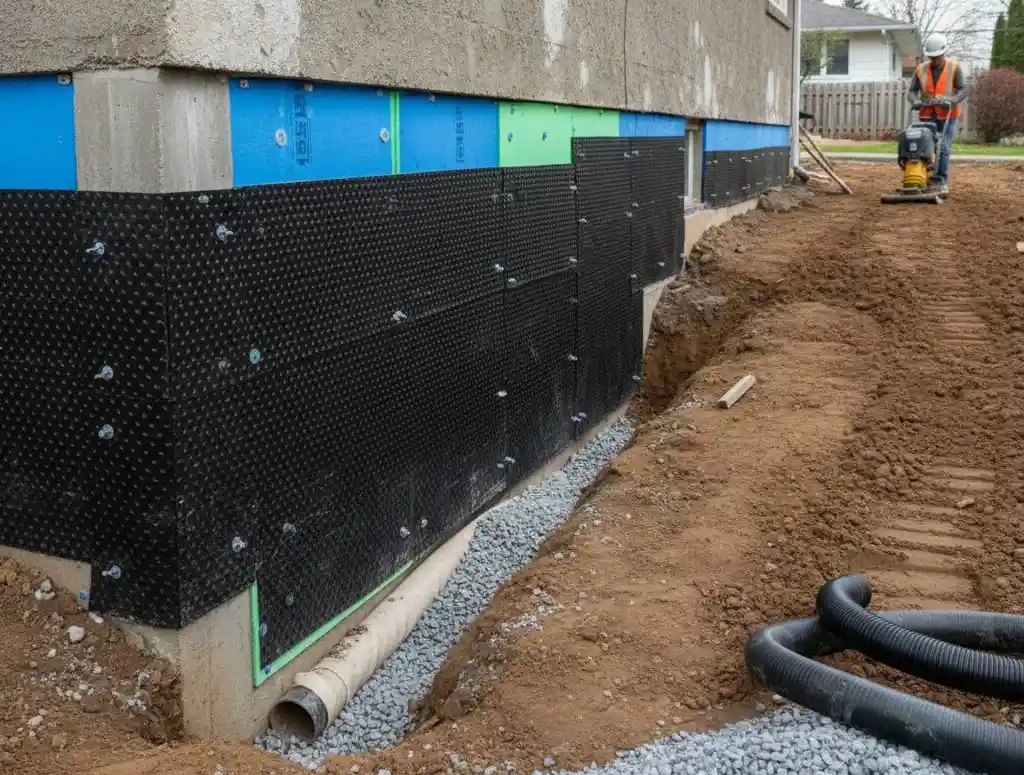
Exterior waterproofing involves excavating the soil around the foundation, repairing cracks, installing drainage membranes, and applying waterproofing coatings. It’s pretty much the gold standard of basement moisture protection because it prevents water from reaching your walls in the first place.
Typical lifespan: 25 years or more, often exceeding 30 years with proper maintenance.
Interior Waterproofing
Interior systems relieve water pressure from the inside and can include interior drainage channels, interior drainage membranes, or interior sump systems.
Typical lifespan: 10 to 25 years, depending on pump quality, drainage design, and maintenance.
Sump Pump Systems
A sump pump is often considered the heart of interior waterproofing because it collects groundwater and pumps it away from the home (the sump is the pit dug under your basement to catch that water).
Typical lifespan: 7 to 10 years for standard pumps, 10 to 15 years for high-quality units.
Basement Crack Repair
Basement Crack Repair is, well, the repair of existing cracks, which is done by injecting polyurethane or epoxy to seal them, and can last anywhere from 5 years to a lifetime, depending on movement, soil pressure, and installation method.
Coatings and Sealants
You can use surface-level water sealants as additional moisture protection, but they are not designed for long-term waterproofing; instead, they help other waterproofing solutions.
Typical lifespan: 1 to 5 years.
Also Read: Best Waterproofing Method for Basements
Waterproofing Methods & Typical Lifespans
| Waterproofing Method | Expected Lifespan |
| Exterior waterproofing with membrane | 25 to 30+ years |
| Interior waterproofing systems | 10 to 25 years |
| Sump pumps | 7 to 15 years |
| Crack injections | 5 years to lifetime |
| Surface sealants | 1 to 5 years |
Key Factors That Affect Basement Waterproofing Lifespan
As we mentioned earlier, basement waterproofing durability depends strongly on several real-world conditions. Here is what affects lifespan the most:
Soil and Site Conditions
Unfortunately, not all soil behaves the same. In Toronto and the GTA, we see a lot of clay soil, and clay loves to hold water. When clay becomes saturated, it expands and pushes against foundation walls, which, in turn, increases hydrostatic pressure and forces water toward your basement.
Sandy soil drains better but can also shift over time, altering drainage paths and creating an entirely different challenge.
A high water table can also shorten the lifespan of any system, especially if pumps or drains are working overtime.
And if your property sits at the bottom of a slope, you may experience more frequent basement moisture simply because gravity is not on your side. It is a classic case of nature having the upper hand.
So, you can see why it’s so important to know the soil your house is built on when figuring out how long your waterproofing will last or which option is best for you.
Quality of Installation
You can have the best membrane on the market, but if it was not installed by professionals, its performance is anyone’s guess. That’s why exterior excavation, drainage detailing, proper backfilling, and crack preparation make an enormous difference to ensure everything works at its peak.
Poor workmanship often leads to:
- Gaps in membranes
- Improper sealing
- Poor drain placement
- Reduced waterproofing durability
High-quality installation ensures your system works as intended and lasts closer to its maximum life expectancy. When in doubt, hiring a professional team like GAMCON is worth its weight in gold.
Type of Waterproofing System
Different systems offer different levels of protection.
- Exterior systems prevent water from reaching the wall.
- Interior systems manage water after it enters, relying on drains and pumps.
- Multi-layer systems combine membranes, drainage boards, weeping tiles, and sump pumps for maximum waterproofing durability.
In general, the more comprehensive the system, the longer it lasts.
Drainage and Sump Pump Performance
A sump pump is like the unsung hero of basement waterproofing. It works hard, often unnoticed, until the day it suddenly retires without giving you two weeks’ notice.
The tragic thing about sump pump failures is that your interior drainage systems lose their effectiveness immediately. That’s why pump maintenance is critical. Annual testing, cleaning, and checking for clogs or mechanical wear all help extend sump pump lifespan and overall system performance.
It’s also a good idea to have a backup pump or battery system to add some insurance during power outages or heavy storms.
Climate and Weather Patterns
Toronto’s climate is not exactly known for subtlety or predictability, with deep freezes, sudden thaws, and dramatic rainfall. Constant freeze-thaw cycles can cause soil to expand, placing additional stress on membranes, cracks, and drainage networks.
Heavy rainfall, as you can probably already imagine, increases hydrostatic pressure against the foundation as well. Seasonal fluctuations affect how often your pumps activate, how drainage channels respond, and how quickly soil becomes saturated, so there are many variables to keep in mind that make exact predictions very difficult.
In short, the weather plays a much bigger role than most homeowners realize.
Maintenance and Inspection
Any waterproofing system will last longer with regular maintenance. Think of it as an annual checkup for your basement, where you can address small issues like clogged drains, minor cracks, or worn pump components before they escalate into bigger (and more expensive) problems.
GAMCON often recommends annual or bi-annual assessments to stay ahead of potential issues. It’s a simple way to extend your foundation waterproofing lifespan and avoid costly repairs because the best problems are the ones that don’t appear in the first place.
Signs Your Waterproofing Is Failing
One “good” thing is that waterproofing systems rarely fail overnight. Instead, they send more or less subtle signals. If you know what to look for, you can address small concerns before they escalate, saving you lengthy, expensive repairs and big headaches.
Common signs include:
- Persistent damp spots or puddles
- Musty odours or visible mould growth
- Efflorescence, the white powdery residue left by evaporating minerals
- New or widening cracks in the foundation
- Sump pump cycling more frequently than usual
If you find any of these symptoms, it’s time to schedule an inspection. Waiting can turn a manageable problem into a major one.
Can Waterproofing Be Repaired Instead of Replaced?
In many cases, yes. Generally, repairs can extend the life of an existing system, especially if the problem is isolated.
Repairs may be suitable for:
- Cracks forming in a specific area
- Localized membrane damage
- Sump pump replacement
- Minor drainage adjustments
However, if you find widespread failure, especially with an older system, replacement may be the better choice.
A good metaphor would be to think of it like patching an old roof. At some point, the patches don’t outweigh the benefits of a full upgrade anymore. A replacement ensures long-term waterproofing, durability, and peace of mind.
Of course, cost is always a factor, especially if you’re already thinking about how much it might cost to excavate around your property. GAMCON works with homeowners to weigh the trade-offs between repair and replacement while keeping long-term value in mind, so we can help you find the best solution.
Also Read: Basement Waterproofing Cost in Toronto: What Homeowners Should Expect
How Often Should You Inspect Your Waterproofing System
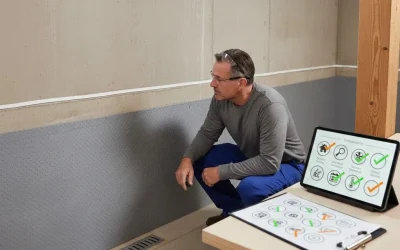
As a general guideline, we recommend scheduling a waterproofing inspection once per year. This allows professionals to assess membrane condition, drainage performance, and sump pump lifespan before they can potentially escalate into bigger problems.
You should also inspect the system after:
- Major rainstorms
- Spring thaw
- Basement renovations
- New signs of moisture
During an inspection, our professionals will look for cracks, pump condition, drainage blockages, soil settlement, and membrane wear because we firmly believe that a proactive approach saves money in the long run.
Maintenance Tips to Extend Waterproofing Lifespan
If you want your basement waterproofing to last as long as possible, a little routine maintenance also goes a long way.
Here are some practical tips:
Test your sump pump every few months
Pour a bucket of water into the sump pit and ensure the pump activates; it’s as simple as that.
Clear exterior drains
Downspouts, gutters, and window well drains should remain free of leaves, debris, and blockages. This will keep water away from your foundation and prevent additional hydrostatic pressure.
Adjust grading if needed
Your yard should always slope away from the home to encourage water to flow outward.
Check basement walls regularly
Even small cracks can grow and allow moisture to seep in. This can become an even bigger problem when water seeps in and then freezes, widening cracks further.
Add a backup pump
If your main pump ever fails, a battery or water-powered backup can save you from flooding, so it’s definitely something to consider.
With just these small, consistent steps, you can significantly extend your basement waterproofing lifespan and reduce long-term repair costs.
Cost Considerations: Lifespan vs Price
You know the saying, “you get what you pay for,” and when it comes to waterproofing, cheaper is rarely better. Short-term fixes like sealants or basic coatings may seem attractive, and they do help, but they seldom provide long-lasting protection.
Exterior waterproofing may cost more upfront and involve a lot more work around your house, but its lifespan often exceeds 25 years, making it a cost-effective long-term investment, also because it prevents water from entering your home in the first place. Interior drainage systems are more affordable and often necessary for specific moisture conditions, but they require more maintenance and upgrades over time, making it an important decision.
If you’re not sure which option is best for your home and budget, GAMCON can help you balance performance with affordability. Our team will evaluate soil conditions, foundation type, water table levels, and the property’s long-term needs to develop cost-effective solutions that offer both durability and value.
Why Choose Gamcon for Basement Waterproofing
Waterproofing is not something to be left to chance or people with little to no experience. Over the years, GAMCON has built a reputation in Toronto for high-quality basement waterproofing services that are backed by real expertise and long-term reliability. Homeowners trust us because we take a comprehensive approach, combining professional installation, superior materials, detailed inspections, and maintenance recommendations tailored to each property to get the best solution, every time.
Whether you need foundation waterproofing, sump pump installation, basement crack repair, or a full exterior excavation, GAMCON is here to deliver solutions designed to last.
Worried about your basement? Contact us today for a professional waterproofing inspection and solutions built to last.
Your Basement, Protected for the Long Haul
Understanding basement waterproofing lifespan can go a long way toward making better decisions about maintenance, repair, and long-term protection. Exterior systems generally last the longest, while interior systems require ongoing care, and sump pumps are the workhorses that keep everything moving smoothly. Soil, climate, and installation quality all affect durability, and regular inspections help you stay ahead of potential issues.
No one wants to wake up to a damp basement, and with the right waterproofing strategy, you shouldn’t have to. Whether you’re noticing signs of moisture, planning a renovation, or simply want peace of mind, GAMCON is here to help. Dry basements don’t happen by accident but through smart planning, high-quality installation, and ongoing support.
Let us help keep your home protected for decades to come.