Picture this: you walk downstairs to grab something from storage, only to step into an unexpected indoor swimming pool. A wet or flooded basement can leave homeowners feeling overwhelmed and unsure whether to call their insurer or a waterproofing contractor first. Let us clear the air right away. Basement waterproofing itself is generally considered preventative maintenance. However, some of the resulting water damage may actually be covered if it stems from a sudden and accidental event. Ultimately, coverage depends on the source of the water, specific policy exclusions, additional endorsements, your maintenance history, and the insurer’s investigation.
Because standard home insurance policies do not all provide the same water damage insurance Ontario property owners need, it is crucial to understand the difference between paying for preventative waterproofing work and submitting a basement water damage claim for resulting property damage. We are here to provide a practical explanation of covered events, common exclusions, optional endorsements, and the best next steps.
Disclaimer: This article provides general information. Every insurance policy is unique, so homeowners must review their own policy wording or speak directly with their licensed insurance representative for specific coverage details.
Key Takeaways
- Maintenance vs. Emergency: Insurance is designed for sudden, unforeseen accidents. Preventive measures, such as installing a waterproofing system, fall under home maintenance and are usually out-of-pocket expenses.
- The Source Matters: Whether your insurer approves a claim often hinges on how the water entered your property. A burst pipe is treated very differently from gradual groundwater seepage.
- Endorsements are Crucial: Standard policies typically exclude sewer backups and overland flooding. You usually need to purchase optional coverage for these specific risks.
- Act Quickly: If you discover water, taking immediate steps to prevent further damage is a standard requirement for most insurance claims.
Is Basement Waterproofing Usually Covered by Home Insurance?
If you are wondering, “Does home insurance cover basement waterproofing?”, the short answer is usually no. Preventive basement waterproofing is generally not covered by standard home insurance. Insurers usually classify protective membranes, drainage improvements, foundation crack sealing, grading corrections, and comprehensive waterproofing systems as regular property maintenance or upgrades.
Insurance is primarily designed for unexpected, insured events rather than improvements intended to prevent future damage. Even when some resulting property damage is covered by your policy, the physical waterproofing system itself may still be excluded. Coverage decisions are strictly based on your individual policy wording and the exact cause of the loss.
What Is the Difference Between Waterproofing and Water-Damage Coverage?
Basement Waterproofing Work
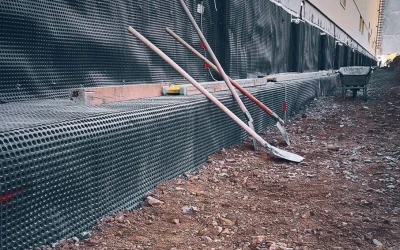
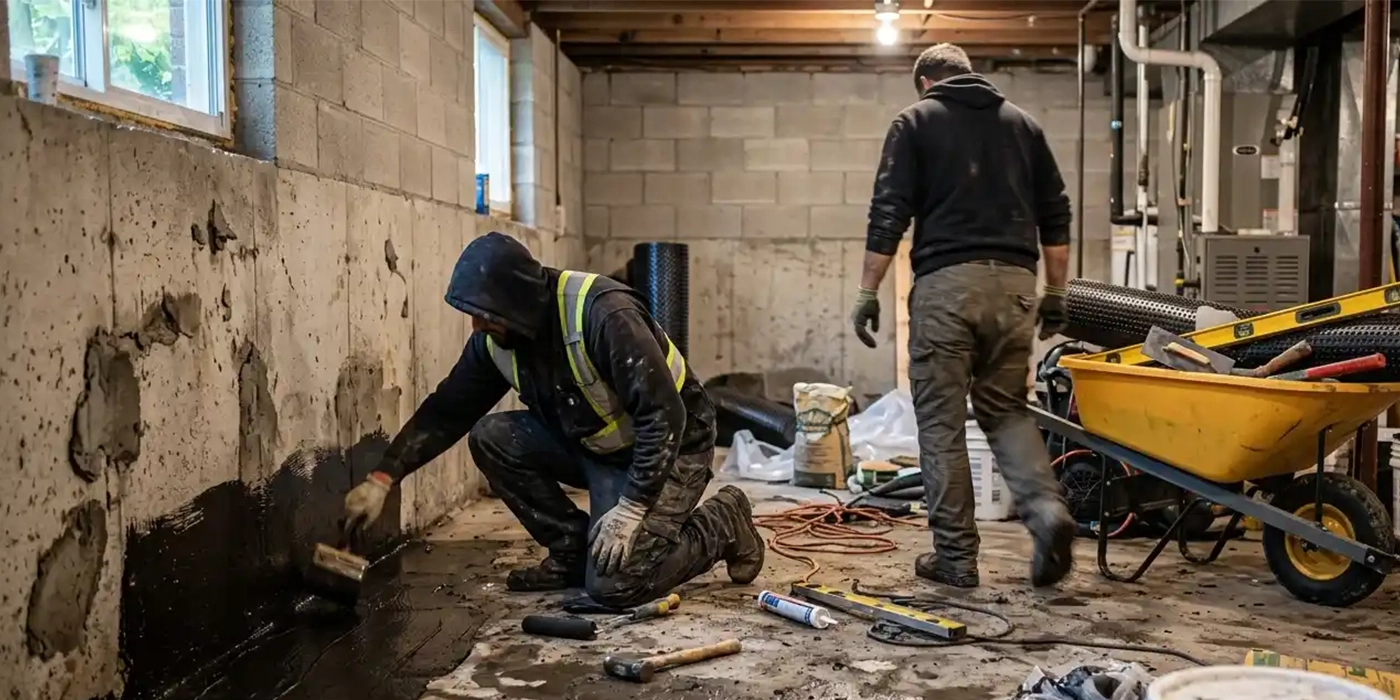
Waterproofing involves preventative work intended to stop future water entry into your home. This typically includes installing exterior membranes and protective coatings, cutting interior drainage channels, and handling weeping tile replacement or sump pump installation. It also covers structural maintenance, such as sealing foundation cracks, essential grading, and downspout corrections. These proactive steps protect your investment but are almost always considered the homeowner’s responsibility.
Resulting Water Damage
Resulting damage refers to the aftermath of a leak or flood. This involves damage to flooring, drywall, insulation, furniture, appliances, or personal belongings. If you have an approved claim, insurance may cover cleanup and restoration costs after an insured event. You might also receive coverage for mould remediation when it is directly connected to a covered and promptly reported loss. Keep in mind that coverage limits, deductibles, exclusions, and depreciation may apply. An insurer may cover the eligible resulting damage without paying a dime to correct the underlying maintenance or waterproofing problem.
When Might Basement Water Damage Be Covered?
Burst or Frozen Pipes
Sudden pipe failures often qualify as accidental water damage. However, coverage may depend on whether the home was kept reasonably warm and routine maintenance was performed, especially during our frigid Ontario winters. Interestingly, the damaged pipe itself may be treated differently from the resulting property damage.
Sudden Appliance or Plumbing Failures
Water unexpectedly released from a failed washing machine, water heater, dishwasher, toilet, or plumbing fixture is often covered. The catch is proving that the event was sudden rather than the result of long-term neglect. If a pipe has been dripping for six months before finally giving out, you might face a denied claim.
Sewer Backup With an Endorsement
Standard policies routinely exclude sewer backups unless you purchased optional coverage. If you have sewer backup insurance, Ontario policies may cover the cleanup and damage caused by water or sewage entering through drains or sewer lines. Be aware that coverage limits and deductibles for this endorsement may differ from your main policy.
Sump Pump Failure With Additional Coverage
When asking if sump pump failure insurance coverage exists, the answer depends on your specific policy. Some policies or water endorsements do include it, but the cause of the failure matters. An adjuster may assess mechanical failure, power loss, poor maintenance, and inadequate capacity differently. Having a battery backup and keeping up with regular servicing can significantly reduce your risk of both flooding and claim denial.
Overland Water With an Endorsement
This refers to water entering the home due to heavy rainfall, rapid snowmelt, or overflow from bodies of water. Overland water coverage Ontario homeowners buy is generally optional and subject to insurer eligibility based on your postal code. Even with this endorsement, groundwater and seepage might still be excluded. Remember, the mere existence of water damage does not automatically make the event insured. The cause must fall directly within the policy’s covered risks.
What Basement Water Problems Are Commonly Not Covered?
Gradual Seepage Through Foundation Walls
Gradual water seepage involves slow water penetration over time, leading to recurring dampness or staining along your basement walls. You might notice efflorescence, which looks like a chalky white powder, and long-term moisture buildup. Because this happens slowly over months or years, insurers often consider these maintenance problems rather than sudden accidents. Therefore, finding insurance for groundwater seepage is quite rare.
Unrepaired Foundation Cracks
If you have cracks that have been visible or leaking for an extended period, insurance will likely step back. It is the homeowner’s responsibility to address known defects promptly. You face a possible denial of your claim when previous warning signs were clearly ignored.
Groundwater Intrusion
Groundwater intrusion happens when water enters through basement walls, floors, joints, or foundation openings. This is often driven by hydrostatic pressure from saturated soil pushing against the foundation. This is why groundwater is often excluded even when overland flood coverage is present.
Poor Grading and Drainage
When the soil slopes toward the property rather than away from it, water naturally pools against the house. Short or disconnected downspouts, blocked drains, failing weeping tiles, and standing water beside foundation walls are seen as maintenance failures, making related damage difficult to claim.
Wear, Deterioration and Poor Maintenance
Aging waterproofing membranes, corroded plumbing, unmaintained sump pumps, and repeated leaks all fall under the category of wear and tear. If you have known moisture problems that were not corrected, insurers will take note. Preventable, recurring, or gradual problems are generally much less likely to qualify for coverage than sudden, accidental events.
Does Insurance Cover Foundation Cracks and Foundation Leaks?
Many people wonder, “Does insurance cover foundation leaks or cracks?” Generally speaking, foundation crack repair is considered basic property maintenance. Insurance policies may distinguish between the crack itself and the damage caused by a covered event. Settlement, soil movement, shrinkage, deterioration, and hydrostatic pressure are often excluded causes for foundation issues.
However, a sudden insured event that directly damages the foundation, like a severe vehicle impact, may be treated differently. Structural movement and waterproofing concerns always require professional assessment. Homeowners should avoid assuming that all foundation-related damage is automatically excluded or automatically covered. Document the crack and ask both the insurer and a waterproofing specialist to identify the likely cause.
Sewer Backup vs Overland Water vs Groundwater
Understanding where the water comes from is half the battle when deciphering home insurance coverage for basement floods.
Sewer Backup
This occurs when water or sewage enters the home through floor drains, toilets, or municipal sewer connections. This usually requires a specific sewer backup endorsement and may have separate limits and deductibles from your standard policy.
Example: Heavy municipal rainfall overwhelms the city’s sewer lines, pushing wastewater back up into your basement sink.
Overland Water
This involves fresh water entering at or above ground level following heavy rainfall, rapid spring snowmelt, or overflow from waterways. It generally requires optional overland water protection, and availability can depend heavily on your property’s specific flood risk.
Example: A nearby creek breaches its banks during a severe storm, sending water flowing through your basement window wells.
Groundwater and Seepage
This is water moving through the soil and entering below ground level. It is often linked to hydrostatic pressure, foundation cracks, joint failures, or drainage failures. This is commonly treated as a strict exclusion or a maintenance-related issue.
Example: After a week of steady rain, the saturated soil around your Toronto home pushes moisture through porous concrete block walls, creating damp spots on the floor.
Basement Waterproofing Insurance Coverage Comparison Table
| Water Source or Expense | Usually Covered by a Standard Policy | May Require an Endorsement | Commonly Excluded | Important Conditions |
| Preventative basement waterproofing | No | No | Yes | Considered property maintenance. |
| Burst pipe damage | Yes | No | No | Heat must have been maintained in the home. |
| Failed household appliance | Yes | No | No | Event must be sudden, not a long-term drip. |
| Sewer backup | No | Yes | No | Coverage limits often apply. |
| Sump pump failure | No | Yes | No | Excludes failure due to blatant neglect. |
| Overland flooding | No | Yes | No | Eligibility depends on local flood risk. |
| Groundwater seepage | No | No | Yes | Seen as a structural/maintenance defect. |
| Foundation crack repair | No | No | Yes | Only covered if caused by an insured peril. |
| Long-term plumbing leak | No | No | Yes | Homeowner must act on early warning signs. |
| Mould caused by gradual moisture | No | No | Yes | Mould is only covered if tied to a sudden insured loss. |
| Emergency cleanup after covered event | Yes | N/A | No | Must be reported promptly to the insurer. |
Note: Policy wording, specific limits, deductibles, your maintenance records, and individual circumstances will always determine your actual coverage.
What Should You Do After Discovering Water in Your Basement?
Protect People and Shut Off Immediate Hazards
Safety first. Avoid walking through standing water near electrical panels or outlets. Shut off the main water valve only when it is safe to do so. Contact emergency services or qualified trades immediately when electrical or raw sewage risks are present.
Prevent Additional Damage
Stop the water source when possible. Move your undamaged belongings to a dry location. Use emergency water removal techniques only when safe to do so. Do not make permanent repairs before documenting the damage, unless it is absolutely necessary to prevent further loss.
Document Everything
Photograph water levels, entry points, damaged building materials, and personal belongings. Record the date, weather conditions, and events leading to the loss. Save all receipts for emergency work and temporary accommodation. Keep damaged items on-site unless the insurer specifically authorizes disposal.
Contact the Insurance Provider Promptly
Report the damage as soon as reasonably possible. Ask your adjuster which coverage, endorsements, deductibles, and limits may apply to your situation. Request clear instructions before beginning any non-emergency demolition or permanent repairs. Always record your claim numbers and communication details.
Arrange a Waterproofing Inspection
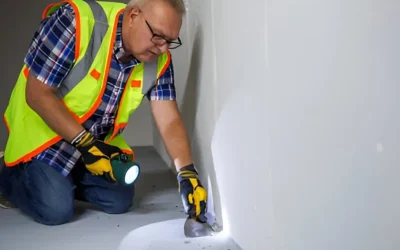
Have an expert identify foundation cracks, drainage failures, grading problems, sump pump issues, or failed waterproofing systems. Obtain a written assessment and repair recommendation. It is important to separate immediate restoration work from long-term water-entry prevention. Emphasize to your adjuster that you are taking reasonable steps to prevent additional damage.
What Information Will an Insurance Company Request?
When you call your broker or insurance company, they will need specific details to start the process:
- The date and approximate time the water was first noticed.
- Where the water appeared to be entering (e.g., floor, wall, floor drain, or burst pipe).
- Photos and videos taken before any cleanup or repairs began.
- A basic list of damaged materials and personal belongings.
- Any emergency work already completed, and the associated receipts.
- Notes on recent weather patterns, severe storms, or snowmelt events.
- Any previous basement leaks and what was done to fix them at the time.
Gathering this information early helps homeowners communicate clearly with both their insurer and their waterproofing specialist. A professional assessment can also help document the likely source and entry point of the water, which is often a key factor in how a claim is evaluated.
Can a Basement Water-Damage Claim Be Denied?
Yes, claims can be and often are denied. Common reasons include:
- The specific source of water is excluded from the policy.
- The homeowner did not purchase the required endorsement.
- The damage developed gradually over a long period.
- Known leaks or foundation cracks were not repaired.
- The sump pump or drainage system was not properly maintained.
- The claim simply exceeded the policy limits.
- The total cost of repair was lower than the chosen deductible.
- The homeowner failed to take reasonable action to limit further damage.
- The property was left vacant or unheated contrary to policy conditions.
- Insufficient documentation was provided to prove the loss.
We advise readers to always request the insurer’s explanation and applicable policy wording rather than relying on assumptions about a denial.
Will Insurance Pay for Waterproofing After a Basement Flood?
An insurer may require the homeowner to correct the source of the leak before providing future coverage, but this does not necessarily mean the insurer will pay for the waterproofing work. Emergency cleanup and eligible damaged materials may be covered separately under your basement waterproofing insurance coverage. However, permanent membranes, drainage systems, foundation repairs, grading, and sump pump upgrades are commonly homeowner out-of-pocket expenses.
Keep in mind that repeated claims may negatively affect your deductibles, eligibility, or future coverage options. Completing recommended, professional repairs can drastically reduce the likelihood of recurring losses. Make sure to distinguish between an insurer recommending waterproofing and an insurer actually paying for it.
How to Reduce the Risk of an Uninsured Basement Leak
The best defence is a good offence. Inspect your foundation walls and floors regularly for early warning signs. Repair cracks before they expand or begin leaking during the next storm. Keep your eavestroughs and downspouts clear of debris, and extend those downspouts far away from the foundation walls. Maintain positive grading around the home so water flows toward the street or backyard.
You should also regularly test the sump pump and its battery backup. Inspect your window wells and drains, and service plumbing fixtures and appliances before they fail. Monitor your lower level for musty odours, unusual stains, efflorescence, and generalized dampness. If you notice these signs, consider interior or exterior waterproofing when recurring moisture is present. Be sure to review your insurance endorsements before the storm and spring thaw seasons arrive. For a helpful routine, read our guide on how to keep your basement dry year-round. Preventive maintenance may not be covered by insurance, but it can help avoid much larger uninsured repair and restoration costs.
Questions to Ask Your Insurance Provider
When reviewing your policy, ask your broker these direct questions:
- Does my policy cover sudden and accidental water escape?
- Do I have sewer backup coverage?
- Do I have overland water coverage?
- Does my policy cover sump pump failure?
- Are groundwater seepage and foundation leaks excluded?
- What are my specific coverage limits and deductibles?
- Are finished basement materials and contents fully covered?
- Does coverage differ for a rented basement apartment unit?
- What documentation is strictly required when submitting a claim?
- Will previous water damage affect my future eligibility?
- Are there strict maintenance requirements for my sump pumps or backwater valves?
We strongly encourage homeowners to request written confirmation when discussing important coverage details.
When Should You Contact a Basement Waterproofing Specialist?
You should reach out to a professional if you experience recurring basement leaks or notice water entering through cracks in the foundation. Other red flags include damp walls or floors after rainfall, white mineral deposits on the concrete, visible mould, or persistent musty odours. If your sump pump is cycling frequently, water is pooling beside the foundation, or you see bowing basement walls, it is time to make a call.
If you had flooding without correcting the original cause, or if an insurer is requesting proof that the water source has been repaired, you need an expert eye. A professional assessment can identify the exact source of water and determine whether interior drainage, exterior waterproofing, crack repair, grading improvements, or sump pump work is appropriate. If you are unsure who to hire, review our basement waterproofing contractor guide to learn what to look for.
Securing Your Ontario Home: The Verdict on Basement Waterproofing Insurance Coverage
To sum things up: Does insurance cover foundation waterproofing? Preventive basement waterproofing is generally not covered by home insurance. Certain resulting damages may be covered when caused by a sudden and insured event, but sewer backup, sump pump failure, and overland water often require additional, optional coverage. Groundwater seepage, gradual leaks, deterioration, and unresolved maintenance problems are commonly excluded across the board. Every policy features different wording, limits, deductibles, and conditions. Homeowners should speak with their insurance provider immediately and arrange a professional inspection when water entry is discovered. Understanding the cause of water intrusion is absolutely essential for both navigating the insurance claim and implementing a long-term waterproofing solution.
Work With Experts Who Understand Ontario Basement Water Problems
Basement leaks can stem from multiple, overlapping causes, such as foundation cracks, intense groundwater pressure, failed drainage systems, sewer backups, hidden plumbing leaks, or improper exterior grading. Identifying the exact source of the water is necessary before recommending any viable repair. GAMCON is an experienced basement and foundation waterproofing company proudly serving homeowners in Toronto and across Ontario. Our dedicated team thoroughly assesses your property’s construction, visible water-entry points, overall foundation condition, and surrounding drainage before recommending a customized, effective solution.
Whether your home requires interior drainage systems, exterior waterproofing, structural foundation crack repair, sump pump improvements, or dedicated moisture-control measures, our focus is on preventing recurring water intrusion and protecting your property over the long term. While GAMCON cannot approve insurance claims or determine whether a specific loss is covered by your provider, we deliver the documentation and lasting repairs you need to move forward. Always confirm all insurance-related decisions with your insurer or licensed insurance representative, and let us handle the heavy lifting to keep your home dry. Request a Basement Waterproofing Assessment to secure your foundation today.