Many homeowners assume helical piles are only used before a home is built. In reality, helical piles can be used for both new construction and certain existing-home projects. The right use depends on soil conditions, structural load, foundation condition, access, engineering requirements, and project type. Existing homes may use helical piles for settlement repair, underpinning, additions, decks, porches, sunrooms, garages, or structural upgrades. New construction may use them to support foundations where soil is weak, access is limited, or concrete footings are less practical.
We promise a clear explanation of where helical piles work, where they may not, and when a site assessment is needed. So, do helical piles work for existing homes? Yes, they certainly do, but every project needs proper assessment before installation.
Key Takeaways
- Helical piles provide reliable support for both brand-new builds and older, existing properties.
- Soil conditions, project goals, and site access dictate the ideal installation method for your property.
- Existing homes often utilize this deep foundation system for underpinning, additions, and settlement repair.
- A professional site assessment is the crucial first step in determining whether screw piles are the right fit.
Are Helical Piles Only for New Construction?
Helical piles are commonly used for new construction, but they are not limited to new builds. New projects may use them for homes, additions, garages, cottages, decks, commercial structures, and other foundations. Existing homes may also use them when foundations need reinforcement or when new structural loads are being added. The installation approach may differ because an existing home already has foundations, landscaping, utilities, and access restrictions. The real question is not simply “new versus existing”, but whether the structure, soil, access, and load requirements make helical piles suitable. We evaluate each situation to see if helical piles can be installed on existing homes successfully.
How Do Helical Piles Work?
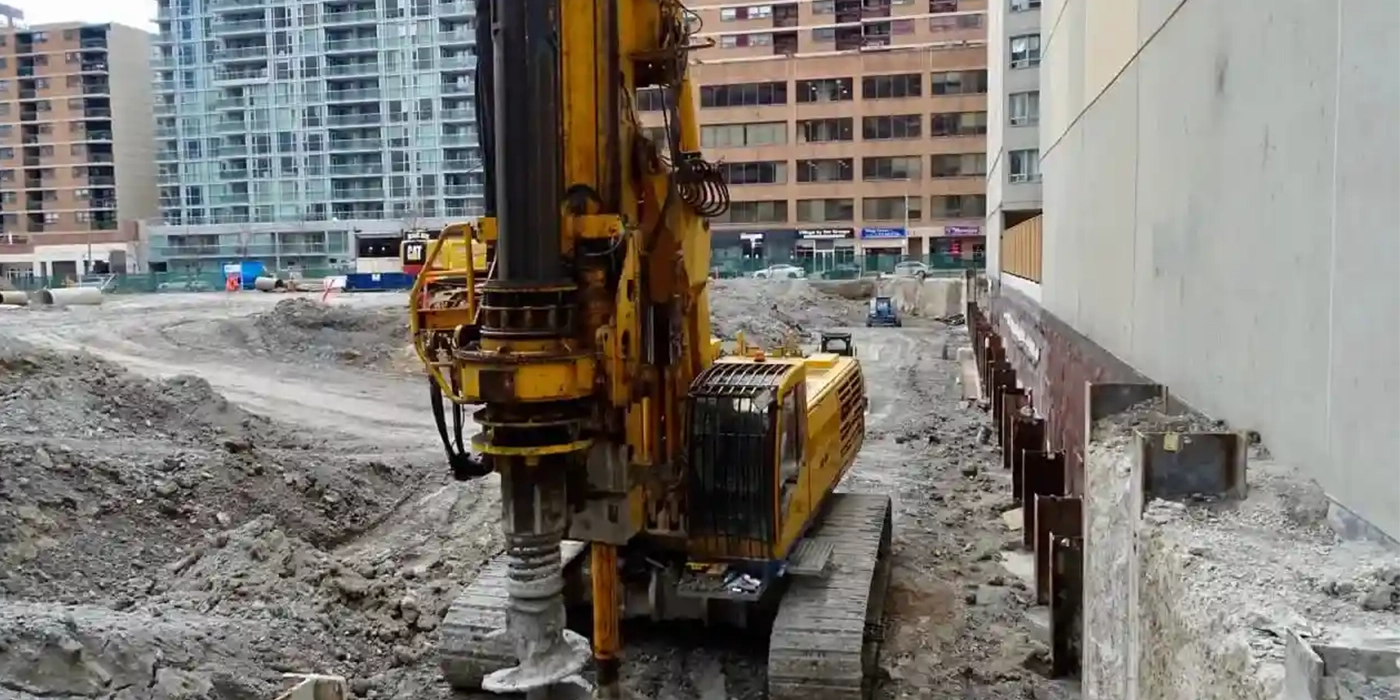
Helical piles are steel foundation elements with spiral-shaped plates welded to a shaft and are rotated into the ground using hydraulic equipment. The plates help the pile advance into the soil and transfer loads to deeper, more stable layers. Installation torque helps confirm resistance and support capacity. Once installed, the pile can support foundations, brackets, beams, slabs, decks, additions, or other structural loads. Unlike concrete footings, helical piles do not require curing time and often need less excavation.
Why the Screw-Like Design Matters
The pile is driven into the soil rather than poured like concrete. This can reduce soil disruption on your property. The design helps reach suitable bearing depths, which is useful where shallow soil is weak, wet, loose, or unstable.
Why Load Transfer Is Important
The goal is to move structural weight from weak or unstable soil to stronger supporting layers. For existing homes, this may help stabilize settlement-prone areas. For new construction, this may provide reliable support before building begins.
How Helical Piles Are Used in New Construction
New homes and structures can be designed around helical piles from the beginning. Engineers plan the number, spacing, size, depth, and load requirements of piles before construction starts. Installation may be faster because there are fewer existing obstructions, and they can be very useful for poor soil, sloped lots, wet conditions, limited-access sites, or projects where concrete curing delays are a concern.
New Homes and Custom Builds
Helical piles are often used to support new residential foundations when soil conditions make traditional shallow footings less ideal. It is vital for engineering design to determine the pile layout and capacity to keep things safe and secure.
Additions, Garages and Sunrooms
Helical piles can support new loads added beside an existing home. Some of their use cases are additions, garages, enclosed porches, or sunrooms. Connection details between the new structure and existing home matter quite a bit to ensure long-term stability.
Decks, Porches and Exterior Structures
Helical piles are often considered for decks, porches, walkways, and exterior structures. They reduce excavation and facilitate faster installation, but you must always consider frost depth and soil conditions to meet Ontario construction standards.
How Helical Piles Can Work for Existing Homes
For existing homes, helical piles are often used when a foundation needs added support. They can be installed near or beside existing foundation walls in certain situations. To tie both together, builders often use foundation brackets or other structural connections, depending on the project. Existing-home work is more complex because the installer must consider the current foundation, utilities, landscaping, basement conditions, access, and structural movement.
Foundation Settlement Repair
Settlement can cause cracks, uneven floors, sticking doors, or gaps around windows. Homeowners should look out for signs your home needs helical piles before structural damage occurs to catch issues early. In these cases, helical piles can help transfer loads from settling soil to deeper stable layers. However, the cause of settlement should always be assessed first.
Underpinning Existing Foundations
Helical piles can be used for underpinning or foundation reinforcement. Keep in mind that underpinning is major structural work and will require permits, drawings, and engineering review. Please do not treat this as DIY advice. Underpinning requires a thorough assessment and review by a structural engineer, so always consult a professional before choosing a repair approach.
Supporting Existing Structures During Renovations
Existing homes may need additional support during basement work, additions, or major renovations. Helical piles can be an integral part of the support plan when new loads are added. The final design should always be determined by site conditions and structural requirements.
Existing Homes vs New Construction: What Changes?
| Factor | Existing Home Projects | New Construction Projects |
| Site access | May be limited by landscaping, fences, neighbouring homes, utilities, or existing walls | Usually easier before landscaping and final grading |
| Engineering needs | Often requires review of existing foundation and damage | Can be designed before building starts |
| Installation complexity | More careful planning around current structure | More straightforward layout and installation |
| Purpose | Repair, underpinning, additions, stabilization, structural upgrades | New foundation support, additions, garages, decks, full builds |
| Disruption | Goal is to reduce excavation and disturbance | Site is already under construction |
| Risk factors | Existing cracks, settlement, water issues, unknown soil conditions | Soil and load requirements known during design |
| Best next step | Inspection and site assessment | Design review and installation planning |
Both project types may be suitable, but existing-home projects usually require more careful assessment because the structure is already in place.
When Are Helical Piles a Good Option for an Existing Home?
Foundation settlement, weak or unstable soil around the home, and additions that need independent support are prime candidates. They are also ideal for tight access where large excavation equipment is difficult to operate, or projects where concrete curing time is a concern. Whether you are looking at decks, porches, garages, sunrooms, or extensions, helical piles for existing homes provide great versatility. They work well for structural repairs where load transfer is needed and sites where minimal excavation is preferred.
Signs a Home May Need Foundation Support
Look for stair-step cracks in brick or block, widening foundation cracks, sloping or uneven floors, doors and windows sticking, and gaps between walls, floors, or trim. Foundation movement after heavy rain or freeze-thaw cycles is another red flag. If previous foundation repairs did not solve the problem, it is time to dig deeper. These signs do not automatically mean helical piers for foundation repair are required. They mean that the home should be properly assessed.
When Are Helical Piles a Good Option for New Construction?
They are perfect for poor or variable soil conditions, sloped lots, high water table or wet ground. Projects needing faster foundation installation or smaller sites with limited equipment access benefit greatly. Decks, cottages, additions, and detached structures are excellent candidates, as are projects where avoiding large excavation is beneficial or situations where immediate load-bearing capacity is needed. New construction allows the pile system to be integrated into the project from the start, significantly simplifying planning.
When Might Helical Piles Not Be the Right Solution?
They are not a cure-all. Sites with major underground obstructions, or certain rock conditions and boulders that prevent proper installation, will require alternative methods. Projects with loads beyond the selected pile system’s capacity, or structures with severe damage requiring broader structural repair, might need a different game plan. Sites where access does not allow proper equipment placement, or projects where engineering review recommends another foundation type, are not ideal fits. Finally, situations in which foundation movement is caused by an unresolved drainage or water problem must have the core issues fixed first.
Do Existing Homes Need Engineering or Permits for Helical Piles?
Many foundation-related projects require professional review. Underpinning and structural foundation work will very likely require permits depending on the municipality and project scope. Permit and engineering requirements should always be confirmed with the local municipality and project professionals before work begins. Homeowners should not assume that a pile installation can proceed without drawings, engineering, or municipal review. The installer, engineer, and homeowner will need to coordinate before work begins to ensure there are no misunderstandings about the timeline. Permit needs may differ for decks, additions, underpinning, garages, and structural repairs.
Helical Piles vs Concrete Footings for Existing and New Homes
Concrete footings are common but will require excavation, forming, pouring, curing, and suitable soil conditions. When comparing helical piles and concrete footings, helical piles usually reduce excavation and can be loaded sooner after installation. Concrete may still be preferred for certain projects, depending on engineering, soil conditions, cost, and design; ultimately, the right choice depends on load requirements, soil conditions, access, timeline, budget, and structure type.
Where Helical Piles May Have Advantages
Faster installation, less excavation, limited-access potential, and immediate load-bearing capacity are major perks. They are very useful for weak or unstable soil and offer possible use in retrofit projects.
Where Concrete May Still Be Used
Concrete shines for simple projects with good soil conditions, designs already specified for concrete, and situations where engineering recommends traditional footings. Projects where access and excavation are not concerns often rely on concrete.
What Happens During a Helical Pile Site Assessment?
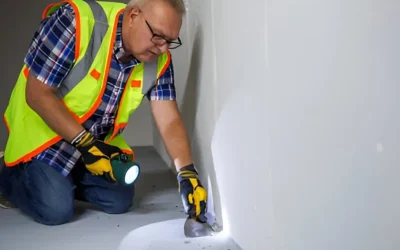
We review project goals, inspect the home or proposed build area, and review visible foundation issues. We make soil and drainage observations, perform an access assessment for installation equipment, and review load and structural requirements. Utility and obstruction considerations are noted, along with a discussion of whether engineering or permits may be needed. Finally, we provide a recommendation for pile type, placement, and next steps.
For Existing Homes
The team will inspect cracks, settlement, water issues, soil movement, and current foundation condition. They will then identify whether helical piles may help stabilize the issue or whether another repair is needed.
For New Construction
The team will assess drawings, load needs, soil conditions, layout, depth, and installation access. This is the stage where we help you figure out exactly how many helical piers you need for your foundation.
Common Projects Where Helical Piles May Be Used
| Project Type | Common Application |
| Existing home foundation repair | For settlement or support issues when conditions are suitable |
| Underpinning | To reinforce or support an existing foundation |
| Home additions | To support new structural loads beside an existing home |
| Decks and porches | For exterior structures needing stable footings |
| Garages and sunrooms | For new attached or detached structures |
| Cottages and smaller buildings | Especially where soil or access is challenging |
| Commercial and light industrial | Where speed, access, and load support matter |
| Retaining walls or supports | Depending on engineering design |
Helical Pile Suitability Checklist for Homeowners
| A Home May Be a Candidate If: | A Site Needs Further Review If: |
| There are signs of settlement | There are severe foundation cracks |
| A new addition or deck needs support | Water intrusion or drainage problems are active |
| The soil is soft, wet, loose, or inconsistent | The soil contains boulders, fill, or unknown obstructions |
| Excavation access is limited | The project is close to neighbouring foundations |
| Concrete curing delays would affect the project | The home has previous foundation repairs |
| A structural professional recommends deeper support | The structure is older or has complex load paths |
| The project needs a low-disturbance foundation | A permit or engineered design may be required |
Questions to Ask Before Installing Helical Piles
Have you ever wondered if helical piles are right for you? Start by asking if they are suitable for your specific existing home or new project. You will want to know what soil conditions are present on your property, how many piles might be required, and what loads the piles will need to support. It is wise to ask if the project will require engineering drawings or a municipal permit.
Ensure you ask if installation equipment can actually access the work area, how deep the piles need to go, and how installation torque or capacity will be verified. Be sure to find out what happens if underground obstructions are encountered, whether there are drainage or waterproofing issues that should be corrected first, and exactly how the new support will connect to the existing structure.
Existing Home and New Construction Helical Pile Comparison Table
| Project Type | Can Helical Piles Work? | Common Purpose | Important Considerations |
| Existing settled foundation | Often possible after assessment | Stabilization or underpinning | Engineering, access, cause of settlement |
| New home construction | Yes, when designed properly | Primary foundation support | Soil, load design, drawings |
| Home addition | Often suitable | Support new structural loads | Connection to existing home |
| Deck or porch | Often suitable | Footing support | Frost depth, layout, access |
| Garage or sunroom | Often suitable | Support detached or attached structure | Loads, soil, slab design |
| Severe foundation failure | Needs careful review | Structural repair | May require broader repair plan |
| Poor drainage or water damage | Not enough on its own | Support may be part of solution | Drainage and waterproofing may also be needed |
Securing Your Investment: Do Helical Piles Work for Existing Homes or Only New Construction?
Helical piles can work for both existing homes and new construction. Existing-home projects may include settlement repair, underpinning, additions, decks, porches, garages, and structural upgrades. New construction may use helical piles for stable support in challenging soil conditions or in limited-access sites. The best foundation solution depends on soil conditions, load requirements, structure type, access, and the engineering review. Not every project is automatically suitable. A professional site assessment is always needed before deciding to ensure you get the best solution. Homeowners should not choose a foundation system based only on online research. They need a site-specific recommendation tailored to their property.
Work With Experts Who Understand Helical Pile Foundations
Every foundation project is different, especially when comparing an existing home with a new construction site. Soil conditions, structural loads, foundation condition, access, frost depth, and project goals all affect whether helical piles are suitable. GAMCON is an experienced helical pile contractor Toronto homeowners and property managers trust for honest evaluations. Our team assesses the property, reviews the project requirements, identifies access challenges, and recommends a foundation support approach based on the site conditions. Whether you need residential helical piles, general foundation support, underpinning support, or helical pile installation for additions, decks, porches, garages, and structural stabilization, we are here to help. We do not guarantee that helical piles are right for every home, as a proper assessment is needed before confirming the best solution. Request a Helical Pile Site Assessment today.