If you’re planning to sell your home, finish your basement, or simply protect one of your biggest investments, you’ve probably asked yourself: does basement waterproofing increase home value?
The short answer is that waterproofing is usually less about creating a resale premium and more about preventing value loss. A wet basement, recurring moisture issues, or signs of water intrusion can raise concerns during a home inspection and give buyers leverage during negotiations. On the other hand, a dry, well-maintained basement can remove a significant objection and help buyers feel more confident about the property’s condition.
For Toronto homeowners, where seasonal weather, aging housing stock, and changing drainage conditions can all contribute to moisture concerns, basement waterproofing is often best viewed as a form of risk management that protects both your home and its future marketability.
Key Takeaways
- Basement waterproofing helps protect property value by reducing moisture-related concerns.
- Home inspectors and buyers often pay close attention to signs of water intrusion.
- Unresolved basement water issues can affect negotiations and trigger requests for additional inspections.
- Documentation of repairs and waterproofing work can help support buyer confidence.
- Waterproofing should generally be addressed before investing in basement finishing materials.
- The best time to assess waterproofing needs is before listing your home or beginning a renovation project.
What Home Inspectors and Buyers Look For
When evaluating a property, buyers and home inspectors are often looking for clues that suggest past or current moisture problems.
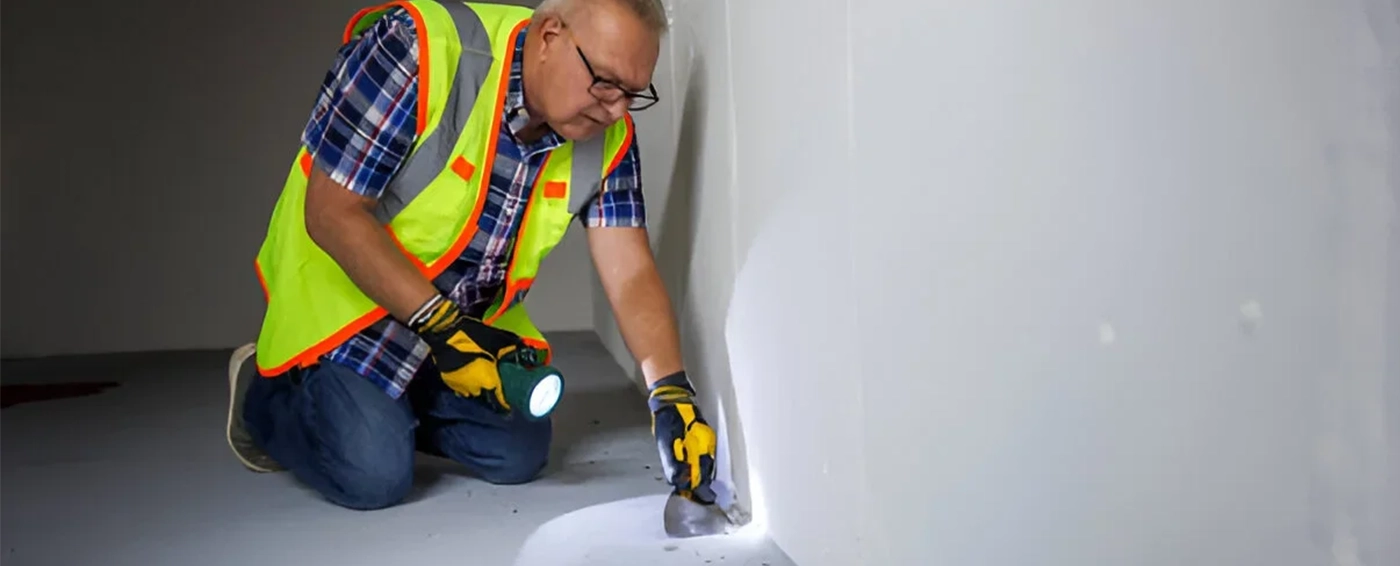
Common warning signs include visible water intrusion, staining on foundation walls, efflorescence (the white mineral deposits left behind when water evaporates), musty odours, cracks in foundation walls, and evidence of previous repair attempts. Even something as simple as damp air can prompt further questions.
It’s important to remember that these signs do not automatically indicate structural issues or mould. However, they often signal the need for closer investigation.
A dry basement sends a different message. It suggests that moisture concerns have been addressed and that the space has been properly maintained over time.
How Water Problems Can Affect a Sale
A wet basement can influence a buyer’s perception of the entire property.
Think of it this way: if a buyer sees water stains or detects a musty smell during a showing, they may begin wondering what else could be hiding behind walls or beneath flooring. Whether those concerns are justified or not, uncertainty can affect purchasing decisions.
In Toronto’s competitive real estate market, moisture issues may lead buyers to request additional inspections, negotiate for repairs, seek price adjustments, or ask for credits after a home inspection. Some buyers may even decide to pursue another property if they feel the risks are too difficult to assess.
This is why addressing water intrusion proactively can be beneficial. Rather than becoming a negotiation point, the issue can be identified, corrected, and documented before buyers begin asking questions.
Seller Disclosure and Documentation
Known property defects can have legal implications, which is why transparency matters.
While sellers should seek legal advice regarding specific disclosure obligations, documenting repairs and waterproofing work can be valuable during the sales process. Records such as contractor invoices, inspection reports, photographs, and warranty information where applicable can help demonstrate that a concern was addressed responsibly.
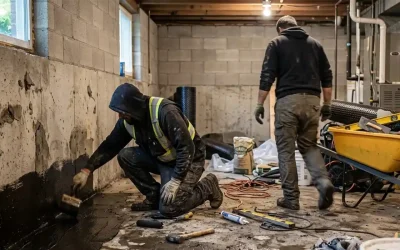
For homeowners dealing with moisture concerns, investing in professional basement waterproofing before listing may provide more than physical protection. It can also create a clear record showing that the issue was investigated and repaired.
Buyers tend to appreciate documentation because it reduces uncertainty and helps support confidence in the property’s condition.
The Practical ROI of Waterproofing
When discussing basement waterproofing value, it’s helpful to think beyond simple resale calculations.
Waterproofing rarely works like a kitchen renovation where homeowners hope to see a direct increase in market value. Instead, its value often comes from preventing deterioration, protecting usable space, and reducing concerns that could otherwise impact a transaction.
In other words, waterproofing frequently helps preserve value rather than create it.
Addressing moisture issues can protect flooring, drywall, insulation, stored belongings, and structural components from ongoing exposure to water. It can also help maintain the basement’s functionality and appeal to future buyers.
For many homeowners, that form of protection is the real return on investment.
Waterproofing Before Finishing the Basement
If you’re planning to create a family room, home office, rental suite, or entertainment space, waterproofing should come before finishing work.
Installing drywall, flooring, insulation, and trim over an unresolved moisture issue is a bit like putting a fresh coat of paint on a leaky boat. It may look great for a while, but the underlying problem hasn’t disappeared.
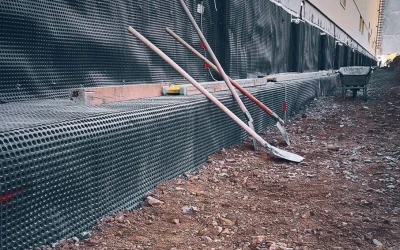
Before beginning a basement renovation, it’s generally a good idea to confirm that the space remains dry during different weather conditions and that drainage systems are functioning properly. In some situations, exterior basement waterproofing may be recommended to help prevent water from reaching foundation walls in the first place.
Homeowners should also consider broader foundation waterproofing measures when moisture concerns originate around the foundation envelope.
Addressing water management first can help protect the investment you’re making in the finished space.
When to Address Waterproofing Before Listing
Not every seller needs to undertake major waterproofing work immediately before listing a home.
The decision depends on factors such as active water issues, previous moisture events, visible signs of intrusion, upcoming inspection risks, and the availability of supporting documentation.
A simple framework can help:
Consider an assessment before listing if:
- Water has entered the basement recently.
- You notice staining, dampness, or recurring moisture.
- Previous repairs have not fully resolved the issue.
- You are concerned about questions arising during a home inspection.
In many cases, an assessment provides clarity. It allows homeowners to understand whether corrective work is needed and gives them an opportunity to address concerns before buyers discover them.
Frequently Asked Questions
Does Waterproofing Guarantee a Higher Sale Price?
No. Waterproofing does not guarantee a higher sale price. Its primary benefit is reducing or resolving a condition that could concern buyers, inspectors, or lenders. In many situations, waterproofing helps protect value by removing a potential obstacle during the sales process.
Should a Homeowner Waterproof Before Listing?
It depends on the property’s condition. If there are active moisture issues, visible signs of water intrusion, or concerns likely to arise during an inspection, addressing them before listing may help reduce uncertainty and strengthen buyer confidence.
Should Waterproofing Be Completed Before Finishing a Basement?
Yes. Moisture management should generally be addressed before installing insulation, drywall, flooring, and other finishes. A dry basement helps protect renovation investments and reduces the risk of hidden water-related damage later.
Protecting Your Basement Means Protecting Your Investment
So, does basement waterproofing increase home value? Not necessarily in the form of a guaranteed resale premium. However, it can help protect your property’s condition, reduce buyer concerns, support smoother negotiations, and create a stronger foundation for future basement use.
If you’re preparing to sell, planning a renovation, or dealing with signs of moisture, the team at GAMCON can help identify the source of the issue and recommend practical solutions. Addressing water concerns before they become larger problems can make all the difference for both your home and your peace of mind.