
GAMCON FOUNDATION EXPERTS · TORONTO & THE GTA
Frequently Asked Questions
Thinking about helical piles, foundation repair or basement waterproofing for your home or business? You probably have questions. Here are the ones we hear most often from homeowners and property managers across Toronto and the GTA. If you do not see your question here, give us a call at (416) 888-4188 or send us a message. We’d love to walk you through it.

Helical Piles
Helical Piles
Steel screw piles for decks, additions, new builds and foundation repair. Here is what Toronto homeowners ask us most.
What are helical piles?
Helical piles, also called screw piles or helical piers, are steel shafts with helix-shaped plates welded near the tip. They work like giant screws. We twist them deep into the ground with hydraulic equipment until they reach soil that is strong enough to carry the weight of your structure. Once installed, they act as a solid foundation for decks, additions, porches, garages, cottages and even full commercial buildings. They also come in a few different designs, and if you want the details, we break down square shaft versus round shaft piles and when each one is the better pick.
How do helical piles work?
Each pile is screwed into the ground until it passes the frost line and reaches load-bearing soil. The helix plates grip the soil and transfer the weight of the structure down to that stable layer. During installation, we monitor the torque on each pile, which tells us exactly how much load it can carry. That means every pile is tested as it goes in, not after.
How much do helical piles cost in Toronto?
Most residential helical piles in the GTA land somewhere between a few hundred and a couple thousand dollars per pile installed, depending on the size of the pile, the depth needed, soil conditions and site access. A typical deck might need 4 to 8 piles, while an addition or underpinning job needs larger piles and engineering. The honest answer is that every site is different, which is why we offer free site evaluations. You get a firm quote before any work starts, with no surprises.
Are helical piles better than concrete footings?
For most projects in the Toronto area, yes. Concrete footings can crack at the frost line, let moisture in, and heave when the ground freezes. Helical piles are solid steel, go well below the frost line, and are torque-tested for capacity as they are installed. There is no digging, no concrete trucks, no waiting days for curing, and almost no mess to your yard. You can usually start building the same day the piles go in.
Do helical piles heave in winter?
Not when they are installed properly. Frost heave happens when water in the soil freezes and pushes structures upward. Because helical piles are anchored well below the frost line, the frozen upper layer of soil cannot lift them. This is one of the main reasons decks and additions on helical piles stay level year after year in our Canadian climate, while shallow concrete footings often shift. Correct installation is everything here, which is why we put together a list of the most common helical pile installation mistakes that cause trouble down the road.
How long do helical piles last?
Properly installed helical piles are built to last the life of your structure. The galvanized steel is designed to resist corrosion for many decades, and in most soil conditions the expected service life is well beyond 75 years. They are a permanent foundation, not a temporary fix.
How deep do helical piles need to go?
It depends on your soil. In the GTA, piles must go at least below the frost line, which is roughly 1.2 metres (4 feet) down, but they usually go deeper until they reach soil firm enough to hit the required torque reading. Some sites need 7 feet, others need 20 feet or more. Our installers keep adding extensions until each pile reaches the capacity your project needs.
How many helical piles do I need?
That depends on what you are building and how much it weighs. A small deck might need 4 piles, a large wraparound deck 10 or more, and a home addition or underpinning project will be engineered based on structural loads. During your free consultation, we look at your plans and soil conditions and tell you exactly how many piles the job needs and why. We walk through the math in more detail in our guide on how many helical piers you need for your foundation.
Do I need a permit or an engineer for helical piles in Toronto?
If the piles support a structure attached to your home, like a deck or an addition, you will almost always need a building permit, and most GTA municipalities ask for an engineer-stamped pile design along with the manufacturer's CCMC approval documents. Detached, low structures sometimes do not need a permit. We know the local requirements well and can guide you through the paperwork, so this part is a lot less painful than it sounds.
Can helical piles be installed in winter?
Yes. This is one of the big advantages over poured concrete. Our equipment can drive piles through frozen ground, and there is no concrete that needs warm weather to cure. Winter installs keep your project on schedule instead of waiting for spring.
Can helical piles fix a sinking foundation?
Yes. Helical piles are one of the most reliable ways to stabilize and underpin a settling foundation. We install piles beside the footing, connect them with steel brackets, and transfer the weight of the house onto the piles. In many cases the structure can even be lifted back toward level. If you have cracks in your walls, sloping floors or sticking doors, book a site evaluation so we can look at what is going on. For a deeper look, read how helical piles underpin and stabilize settling foundations, and whether helical piles work for existing homes or only new construction.Also link to: Residential Helical Piles and Commercial Helical Piles service pages.

Helical Anchors
Helical Anchors
The same screw-pile technology, used to hold back walls and resist soil pressure instead of carrying weight from above.
What is a helical anchor and how is it different from a pile?
They are built the same way, but they do opposite jobs. A helical pile pushes down, supporting weight from above. A helical anchor pulls sideways or holds back pressure, like a tie-back. We use anchors to stabilize leaning retaining walls, bowing basement walls, and structures that need resistance against soil pressure or uplift.
Can you fix a leaning retaining wall without rebuilding it?
Often, yes. Helical anchors are installed through or behind the wall into stable soil, then tensioned to hold the wall in place or pull it back toward plumb. This usually costs far less than tearing out and rebuilding the wall, and the work is done in days, not weeks. An on-site assessment will tell us whether your wall is a good candidate.
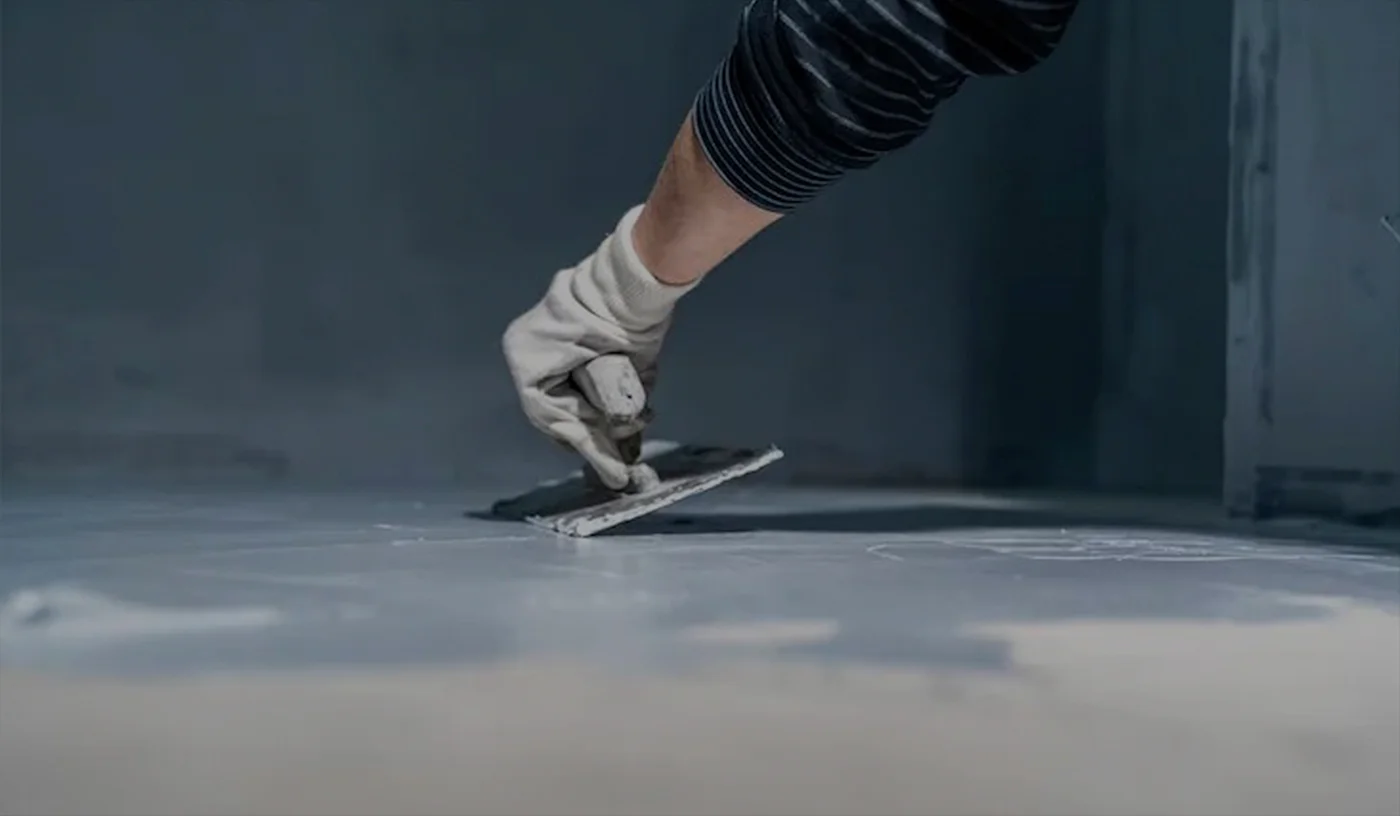
Basement & Foundation Waterproofing
Basement and Foundation Waterproofing
Keeping GTA basements dry through freeze-thaw winters and heavy summer storms. Interior, exterior and everything in between.
What is the difference between interior and exterior waterproofing?
Exterior waterproofing stops water before it touches your foundation. We excavate around the outside of the wall, repair cracks, apply a waterproof membrane, and install new weeping tile to drain water away. Interior waterproofing manages water that gets in. We install a drainage channel and membrane along the inside of the wall that directs water to a sump pump. Exterior is the more complete fix. Interior is less disruptive and often the practical choice for finished basements or tight lots where digging is not realistic.
Which is better, interior or exterior waterproofing?
It depends on your house, your lot and your budget. If your basement is unfinished and we can access the outside walls, exterior waterproofing gives the most durable protection because it keeps water out of the concrete entirely. If your basement is finished, your neighbour's home is a metre away, or budget is tight, a well-designed interior system with a good sump pump keeps your basement dry for a fraction of the disruption. We often combine both. We will give you an honest recommendation for your specific situation, not a one-size-fits-all pitch.
How much does basement waterproofing cost in Toronto?
As a rough guide, interior waterproofing in Toronto typically runs a few thousand dollars for a problem section up to around $10,000 for a full perimeter. Exterior waterproofing costs more because of the excavation, and a full perimeter job on a Toronto home often lands in the $10,000 to $30,000 range. Small, single-crack repairs cost much less. The final number depends on the length of wall, depth of the foundation, and site access, so the best move is a free assessment and a written quote. If your issue turns out to be structural rather than just water, see our breakdown of how much foundation repair costs in Toronto.
Is basement waterproofing worth it?
In Toronto, almost always. One flooded basement can cost more in cleanup, ruined flooring and insurance headaches than the waterproofing itself, and repeated moisture leads to mould and foundation damage. It is also worth knowing what your home insurance does and does not cover in Ontario before water ever gets in. A dry, usable basement also adds real value when you sell, especially if you ever want to finish it or add a rental suite. Think of waterproofing as protecting the biggest investment you own.
Why is my basement leaking?
The usual suspects in GTA homes are cracks in the foundation wall, clogged or collapsed weeping tile (very common in homes built before the 1980s), poor grading that slopes water toward the house, window wells without drainage, and overwhelmed downspouts. Toronto's freeze-thaw cycles and heavy summer storms make all of these worse. We find the actual source before recommending a fix, because sealing the wrong spot just moves the water somewhere else. If you are not sure whether your problem calls for waterproofing or structural repair, our post on foundation repair versus waterproofing breaks down the difference.
Can you waterproof a basement from the inside?
Yes. An interior drainage system collects water at the point where the wall meets the floor and channels it to a sump pump before it can reach your living space. To be clear, interior systems manage water rather than stopping it from entering the concrete, but when installed properly they keep a basement reliably dry. For finished basements and homes where excavation is not practical, it is a proven solution.
How long does waterproofing take?
Most residential jobs take 2 to 5 days. A single crack repair can be done in a day. A full exterior excavation on a large home might take a week, depending on weather and access. We will give you a clear timeline before we start and keep you posted along the way.
Does Toronto offer any rebates for flood protection?
Yes. The City of Toronto's Basement Flooding Protection Subsidy Program covers a big chunk of the cost of eligible work like backwater valves, sump pumps and downspout disconnection, worth thousands of dollars per property. The City has also announced increased subsidy amounts taking effect in 2026. Check the current amounts on toronto.ca, and ask us about it during your consultation. We can point you to what your project may qualify for.
What is weeping tile and do I need it replaced?
Weeping tile is the perforated pipe that runs around your foundation footing and drains groundwater away from the house. Many Toronto homes built before the 1980s have old clay weeping tile that has cracked, clogged with roots, or collapsed. If your basement leaks at the floor level or after every big rain, failed weeping tile is a likely cause. We replace it as part of exterior waterproofing, or install an interior drainage system that does the same job from inside.Also link to: Foundation Waterproofing, Interior Basement Waterproofing and Exterior Basement Waterproofing service pages.
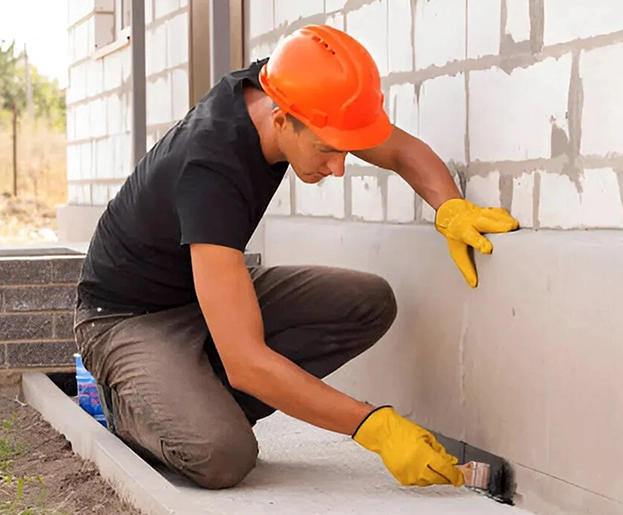
Sump Pumps
Sump Pumps
Your basement’s last line of defence during heavy rain and spring melt. Installation, sizing and backup power.
What does a sump pump do?
A sump pump sits in a pit (the sump) at the lowest point of your basement. When groundwater collects in the pit, a float switch turns the pump on and it pushes the water out through a discharge pipe, away from your foundation. It is your basement's last line of defence during heavy rain and spring melt, and it works hand in hand with your weeping tile and drainage system.
How much does it cost to install a sump pump in Toronto?
A straightforward sump pump installation, including the pit, pump and discharge line, typically runs between $1,500 and $4,000 in the GTA, depending on whether we need to break concrete, how far the discharge has to run, and the quality of pump you choose. Remember that Toronto's basement flooding subsidy can cover a large share of this cost for eligible homes. We will give you an exact quote after seeing the space.
How long do sump pumps last?
A good quality sump pump typically lasts about 7 to 10 years. If your pump is pushing a decade old, runs constantly, makes grinding noises, or short-cycles on and off, it is smart to replace it before the next big storm rather than after. We can test your current pump during any waterproofing assessment.
Do I need a battery backup for my sump pump?
We strongly recommend one. The worst basement floods happen during major storms, which is exactly when power outages hit. A battery backup keeps pumping for hours when the power is out. If your basement is finished, or you have ever come home to a wet floor, a backup pump is cheap insurance.
Where does the sump pump water go?
The discharge pipe carries water outside, where it should drain at least a couple of metres away from your foundation, onto your lawn or into a proper drainage path. In Toronto, sump pumps should not discharge into the sanitary sewer. We set up every discharge line so the water drains safely away without cycling back to your foundation or onto your neighbour's property.Also link to: Sump Pump Installation service page.
Working With GAMCON
Working With GAMCON
Who we are, where we work, and how to get your project moving.
What areas do you serve?
We are based in Etobicoke and serve Toronto and the entire Greater Toronto Area, including North York, Scarborough, East York, Mississauga, Brampton, Vaughan, Markham, Richmond Hill, Oakville and surrounding communities. Not sure if you are in our service area? Just ask.
Do you offer free quotes?
Yes. We offer free consultations and site evaluations for every project, residential or commercial. We look at your site, explain your options in plain language, and give you a written quote. No pressure, no obligation.
Are you licensed and insured?
Yes. GAMCON is fully licensed and insured, and our crews have more than 10 years of experience installing helical piles and waterproofing foundations across the GTA. We are happy to provide proof of insurance and references for similar projects.
Do you work with contractors and builders?
Absolutely. A large part of our work is partnering with deck builders, general contractors, architects and property managers who need a reliable foundation partner. We provide engineered pile layouts, fast scheduling and torque-verified installation reports to keep your project moving.
How do I get started?
Call us at (416) 888-4188, email info@gamcon.ca, or fill out our contact form. Tell us a bit about your project, and we will set up a free site visit. We respond to every inquiry within 24 business hours. Not ready to call yet? Our guide on how to choose the best basement waterproofing contractor in Toronto is a good place to start.
Still have a question?
Foundations are not something you want to guess about. If you did not find your answer here, reach out and talk to a real person on our team. We will give you a straight answer, even if the answer is that you do not need us yet.
Call us: (416) 888-4188
Email: info@gamcon.ca