Water in the basement and a cracking foundation wall can look like the same problem. Often, they aren’t, and treating them as if they are can lead to spending money on the wrong solution.
When comparing foundation repair vs waterproofing, it’s important to understand that they address two different issues. Foundation repair fixes structural problems such as wall movement, settlement, and significant cracking. Waterproofing manages water intrusion and moisture. Some homes need one service, some need the other, and some require both. The key is identifying the root cause before committing to repairs.
For homeowners across Toronto and the GTA, understanding the difference between foundation repair and waterproofing can help prevent costly mistakes and provide a clearer path toward a dry, stable home.
Key Takeaways
- Foundation repair addresses structural issues such as settlement, bowing walls, and significant cracking.
- Waterproofing focuses on preventing or managing water intrusion.
- Horizontal foundation cracks are often more concerning than vertical hairline cracks.
- Southern Ontario’s clay-heavy soils can contribute to foundation movement and hydrostatic pressure.
- Some problems require foundation repair, waterproofing, or a combination of both.
- An accurate assessment is often the first step toward choosing the right solution and avoiding unnecessary work.
What is foundation repair?
Foundation repair addresses structural damage that affects the stability and performance of a home’s foundation.
Common issues include wall movement, foundation settlement, stair-step cracks in masonry walls, failing footings, and significant foundation cracks. While many homeowners immediately associate cracks with water leaks, not every crack is a waterproofing issue.
In fact, crack direction often tells an important story.
Horizontal cracks are typically the most concerning because they can indicate lateral soil pressure pushing against the foundation wall. In the GTA, expansive clay soils frequently expand when saturated and contract during dry periods. Combined with Ontario’s freeze-thaw cycles, this movement can place significant stress on foundation walls.
Vertical hairline cracks are often the result of normal settlement and may require sealing rather than major structural repairs. Diagonal cracks can indicate differential settlement, where one portion of the foundation is moving differently than another.
Signs you may need foundation repair include:
- Horizontal foundation wall cracks
- Bowing or leaning basement walls
- Doors or windows that suddenly stick or won’t close properly
- Uneven floors
- Stair-step cracks in masonry walls
When structural movement is present, repairs should focus on stabilizing the foundation before addressing moisture concerns.
What is foundation waterproofing?
Foundation waterproofing is designed to prevent or manage water intrusion. Unlike foundation repair, it does not correct structural movement or restore the strength of a damaged wall.
Waterproofing solutions generally fall into two categories.
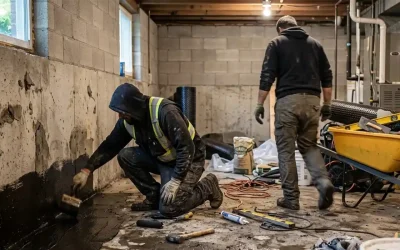
Interior waterproofing systems use drainage channels installed around the basement perimeter to collect water and direct it toward a sump pump. These systems are effective at managing water after it enters the structure.
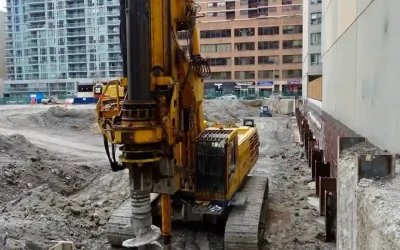
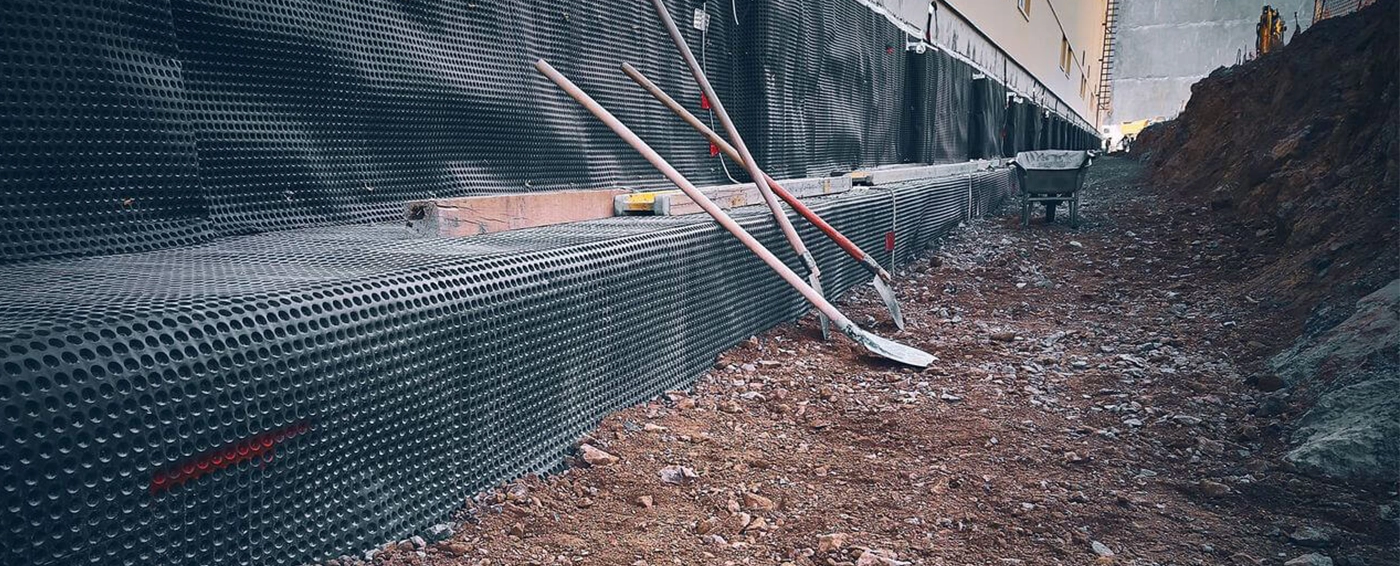
Exterior waterproofing takes a different approach. By excavating around the foundation, contractors can apply waterproof membranes, install drainage boards, and improve weeping tile systems to help prevent water from reaching foundation walls in the first place.
For homeowners dealing with recurring moisture problems, understanding the difference between water management and structural repair is essential. A helpful resource on diagnosing water-entry issues can be found in this basement leak repair guide.
A sump pump can serve as an important last line of defence, but it should not be viewed as a replacement for addressing the source of water intrusion whenever practical.
When do you need foundation repair vs. waterproofing?
One of the most common questions homeowners ask is: Do I need foundation repair or waterproofing?
The answer depends on the symptoms you’re seeing.
If your foundation is experiencing structural movement, foundation repair is usually the priority. Bowing walls, horizontal cracks, settlement, and shifting structural components indicate that the foundation itself requires attention.
If the structure appears stable but you’re noticing damp walls, efflorescence, seepage through the floor, or recurring moisture, waterproofing may be the more appropriate solution.
Some situations require both.
For example, a cracked foundation wall that is actively allowing water into the basement presents two separate challenges. The structural issue must be addressed, and the water intrusion must also be managed. Solving only one side of the equation may leave the underlying problem unresolved.
Homeowners looking for a more detailed comparison can explore GAMCON’s guide on foundation repair vs waterproofing.
The important takeaway is that neither service automatically replaces the other. Waterproofing does not fix structural failure, and repairing a crack does not always eliminate future water intrusion.
The honest case about interior waterproofing
Let’s address something many homeowners don’t hear often enough.
Interior waterproofing systems can be very effective, but they are not always addressing the root cause of the problem.
Interior drainage systems work by collecting water after it enters the basement and directing it away from the living space. In situations where exterior excavation is impractical due to landscaping, property access limitations, or budget considerations, this can be a sensible solution.
However, interior systems do not stop water from entering the wall itself.
Think of it like placing a bucket beneath a leaking roof. The bucket prevents water from damaging the floor, but it doesn’t repair the roof.
This doesn’t mean interior waterproofing is a poor option. In many Toronto homes, it provides an efficient and practical method of managing water intrusion. But if a wall is structurally compromised or deteriorating due to ongoing pressure, the structural issue must be addressed first.
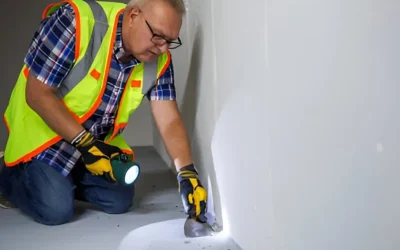
An honest assessment should identify whether you’re dealing with a water-management problem, a structural problem, or both.
What does foundation work cost in Ontario?
Costs vary significantly because every property presents different challenges.
As a general guide:
| Service | Typical Cost Range |
| Crack injection (epoxy or polyurethane) | $500 to $1,500 per crack |
| Interior drainage systems | $5,000 to $15,000 |
| Exterior waterproofing | $15,000 to $40,000+ |
| Foundation stabilization, underpinning, or helical pier work | $10,000 to $50,000+ |
These figures can vary based on foundation depth, accessibility, excavation requirements, severity of damage, and the size of the affected area.
If you’re planning waterproofing work as part of a larger project, it may also be worth reviewing local requirements. GAMCON’s guide to a basement waterproofing permit Toronto can help homeowners understand some of the planning considerations involved.
Regardless of the scope of work, obtaining multiple detailed quotes can help homeowners compare proposed solutions and better understand what is being recommended.
Frequently Asked Questions
Can waterproofing fix foundation cracks?
Not necessarily. Waterproofing can help manage water entering through an existing crack, but it does not restore structural integrity. If the crack is structurally significant, repair work should address the crack itself before relying on waterproofing measures.
How do I know if my foundation crack is serious?
Horizontal cracks are generally the most concerning because they may indicate significant lateral soil pressure and potential wall movement. Vertical hairline cracks are often less urgent but should still be monitored. Any crack that widens, leaks, or is accompanied by wall movement should be professionally assessed.
What causes foundation problems in Ontario?
Common causes include expansive clay soils, hydrostatic pressure, freeze-thaw cycles, aging construction materials, settlement over time, and drainage issues around the home. Southern Ontario’s soil conditions can place considerable stress on foundations throughout the year.
Should I get a structural engineer assessment before foundation work?
For concerns involving settlement, bowing walls, horizontal cracking, or other structural movement, obtaining an independent structural assessment can provide valuable clarity before major repair decisions are made.
Does home insurance cover foundation repair or waterproofing?
Coverage varies by insurer and policy. Many standard policies exclude gradual water intrusion and foundation movement. Homeowners should review their policy details or speak directly with their insurance provider to understand what may or may not be covered.
Choosing the Right Solution Starts with Understanding the Problem
The debate around foundation repair vs waterproofing isn’t really about choosing one service over the other. It’s about identifying the actual problem first.
Structural movement requires foundation repair. Water intrusion requires waterproofing. In some cases, both solutions work together to protect your home’s long-term stability and comfort.
If you’re seeing foundation cracks, basement moisture, or signs of structural movement, the team at GAMCON can help assess the situation and recommend the most appropriate path forward. Getting the diagnosis right from the beginning often saves time, money, and frustration down the road.