Planning a rear or side addition and staring at two foundation prices you cannot compare? You are not alone, and the honest comparison you are looking for is hard to find online.
For home additions, helical piles install in a day with no excavation, no curing time and immediate load capacity below the frost line, while concrete footings need digging, forming and curing but can cost less on easy-access sites. In Toronto’s tight lots and clay soils, piles usually win on schedule and certainty; an engineer confirms the right call.
We install helical piles across Toronto and the GTA every week, and we wrote this guide to give you the straight version, including the moments when concrete footings are the smarter choice.
Key Takeaways
- Strength is not the deciding factor. An engineer designs both foundations to carry your addition’s loads, so the choice comes down to logistics, site access and certainty.
- Helical piles install in a single day with no excavation and no curing, which lets framing start right away.
- Concrete footings can be the cheaper line item on an open, easy-access lot with good soil, and they remain a sound, code-recognized choice.
- Toronto’s clay soils, frost depth and freeze-thaw seasons push many addition projects toward piles, especially where a narrow side yard blocks an excavator.
- Winter rarely stops a pile crew, while a cold-weather concrete pour adds heating, protection and cost.
- The right answer for your lot comes from a site evaluation, not a blog, ours included.
The Two Foundations in Plain English
Both options do the same job: they carry your addition down to stable ground below the frost line, and an engineer designs both for the loads your addition will carry. Start there, because the choice is rarely about which one is stronger.
A helical pile is a steel shaft fitted with one or more helical plates, and we turn it into the ground with hydraulic equipment until it reaches the required depth and resistance. We measure installation torque as the pile goes down, which gives us a real-time read on the capacity each pile has reached. You will also see the same system called screw piles or helical piers, and all three names describe one approach. Our helical pile work across the GTA relies on this method on everything from decks to full additions.
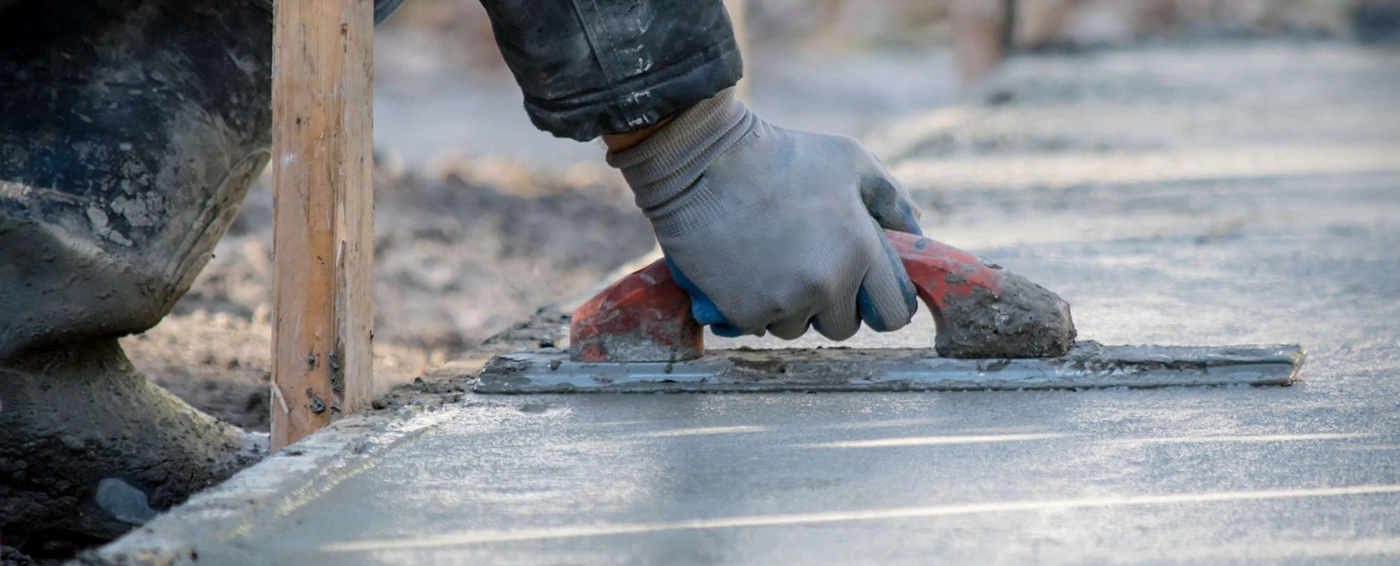
A concrete footing is the poured-in-place option most people picture. A crew excavates to below frost depth, builds forms, pours the concrete and lets it cure before any weight goes on top. It is a proven, code-recognized foundation, and on the right site it does the job well.
Side by Side: The Comparison Nobody Publishes
If you have been searching helical piers vs concrete footings and finding only product pages, this is the comparison that was missing. Here is how the two stack up on the factors that actually decide an addition.
| Factor | Helical piles | Concrete footings |
| Installation time | Often placed in a single day | Several days to over a week across digging, forming, pouring and curing |
| Curing time | None; piles carry load immediately | Concrete must cure before it takes any weight |
| Excavation required | Minimal, with no open pit | Full excavation to below frost depth |
| Site access needed | Compact rigs fit through tight side yards | Excavators and concrete delivery need wider access |
| Winter installation | Installs year-round in Ontario | Cold-weather pours need heating and protection |
| Frost performance | Bears below frost depth; a smooth shaft gives frost little to grip | Bears below frost depth when built to code |
| Load verification | Installation torque measured on every pile | Checked by inspection of forms, rebar and pour |
| Soil disposal | Little to no spoil to haul away | Excavated soil leaves the site for disposal |
| Landscaping impact | Low, and minimally invasive | Higher, as open excavation disturbs the yard |
| Typical cost drivers | Number and size of piles, soil resistance | Excavation, forming, concrete volume, access, soil disposal |
The difference is not strength. It is logistics and certainty.
Why an Addition Is Not a Deck
A deck can tolerate a little movement. An addition cannot. It carries real structural loads, and it ties into the foundation of your existing house, so the two have to settle as one. That raises the stakes on both the engineering and the crew doing the work, which is why this comparison matters far more here than it ever did for a backyard deck.
Toronto lots change the math too. Many rear additions sit behind a house reachable only through a side yard barely a metre wide. An excavator cannot get back there, but a compact pile rig can, and that one fact often settles the foundation question before cost even enters the conversation. Our residential helical pile installations are frequently the only option that physically fits the site.
Sizing is its own question, and it turns on your soil and your loads rather than a rule of thumb. We walk through it in our guide to how many piles an addition needs, so we will point you there instead of guessing at a number here.
Frost, Clay and the GTA’s Soils
Frost heave is the quiet killer of shallow or poorly built footings. When water in the soil freezes and expands, it lifts anything that does not reach below the frost line, and across a single winter that movement cracks foundations and racks door frames. Both foundations answer this the same way at heart, by bearing below frost depth. Piles add a second line of defence: a smooth steel shaft gives frost very little to grip as the ground swells and relaxes.
The GTA adds its own wrinkle. Our clay soils hold water, our winters run through repeated freeze-thaw cycles, and our wettest stretches land in spring and fall, which is exactly when most additions go up. That makes open excavation weather-dependent in a way a torqued pile never is. We dig into this further in our look at helical piles in cold, frost-prone ground rather than restating it all here.
The Cost Question, Honestly
Honest cost guidance starts with structure, not a number pulled from the air. Helical piles price per pile installed, which depends mainly on how many you need and how hard your soil makes them work. Concrete footings price as a stack: excavation, forming, concrete, curing and backfill. The quiet extras sit on the footing side, in access logistics, soil disposal and weather delays, and those are the costs that catch homeowners out after the quote is signed.
We keep our real figures in one place rather than guessing here, and you can see our own GTA numbers in what helical pile installation costs in Toronto. We will not quote competitor or manufacturer prices, because they rarely reflect your site.
Here is the fair summary. On an easy-access lot with simple soils, concrete footings can be the cheaper line item. That gap narrows, and often reverses, the moment access gets tight, the soil turns poor or the schedule starts to matter. For most Toronto additions, at least one of those three is already in play.
Schedule: Days Versus Weeks
Schedule is where the two foundations separate most clearly. We install helical piles and verify them by torque on the same day, so framing can begin right away. A concrete footing moves through a longer chain: excavation, forming, inspection, pouring and then curing, and each step sits exposed to the weather. One rainy week can stall the whole sequence.
Winter sharpens the contrast. We install piles year-round across Ontario, while a winter concrete pour usually calls for heating, hoarding and the cost that rides along with them. If you want the step-by-step, our walkthrough of how we install a helical pile lays out the full sequence.
When Concrete Footings Still Make Sense
We install piles for a living, so weigh what comes next accordingly: sometimes concrete footings are the right call, and we will say so. They make good sense when access is generous, when the soil is favourable, when your project has already mobilized an excavator for other work, or when your engineer’s design simply calls for them.
A specialist who cannot name the other side’s wins is not an expert, but a salesperson. The engineer’s design always governs, and our job is to install the right foundation well, not to talk you into ours. You can see the range of sites we have worked on in our project portfolio, footings and piles alike.
The real answer for your addition comes from a site evaluation, not a blog, ours included.
Permits and Engineering: Both Paths Go Through an Engineer
Whichever foundation you choose, the path through approvals looks the same. An engineer designs your addition’s foundation, and it forms part of the building permit for the whole addition, so neither piles nor footings let you skip a step. What piles add is a paper trail: we record installation torque for every pile, which documents the capacity each one reached as it went in.
This is where our background earns its place. GAMCON is licensed and insured, we have spent more than a decade working in GTA ground, and we lead with soil mechanics because the soil decides most of these projects. We put that experience to work in a free site evaluation before you commit to anything.
FAQ
Are helical piles as strong as concrete footings?
Yes, when an engineer designs both for the same loads. Strength is not the deciding factor. A properly sized and torqued pile reaches its engineered capacity below the frost line, just as a correctly built footing does. The real gap shows up in schedule, access and certainty.
Are helical piles cheaper than concrete footings?
It depends on your site. On an open lot with good soil, footings can be the lower line item. Once access is tight, the soil is poor or the schedule is short, piles often match or beat them after you count excavation, soil disposal and weather delays. Our Toronto cost guide breaks down the real figures.
Can helical piles support a two-storey addition?
Yes. A pile’s capacity comes from the shaft and helix size, the depth it reaches and the surrounding soil, so an engineer specifies piles for a two-storey addition the same way they would specify footings. We confirm each pile’s capacity by torque as we install it.
Can you install helical piles in winter in Ontario?
Yes. We install piles year-round across Ontario, through frost and snow, because the process does not wait on concrete curing in the cold. Winter is often when the pile advantage is clearest, since a cold-weather pour needs heating and protection that add time and cost.
How long do helical piles last?
Galvanized steel helical piles are engineered to support a structure for its service life when they are sized and installed correctly. The exact design life depends on the soil, the coating and the loads, which your engineer confirms for your project.
Build the Addition on the Right Foundation, Literally
Your addition will stand on whichever foundation you choose for decades, so it is worth choosing with real information instead of a product brochure.
GAMCON installs engineered helical piles across Toronto and the GTA, licensed, insured and grounded in more than a decade of local soil, and if your site is the one where concrete footings genuinely make more sense, we will tell you that too.
Call (416) 888-4188 or request a free site evaluation online, and let’s find out what your addition should stand on.