If you’ve ever walked into your basement and caught a whiff of something musty—or worse, noticed a puddle of water—you’re not alone. Basement moisture is a common issue for many homeowners across the Greater Toronto Area. Over time, even small leaks can lead to major headaches like mould, damaged drywall, and even structural issues.
That’s why basement waterproofing is more than just a nice-to-have—it’s an essential part of keeping your home safe, dry, and protected. In this guide, we’ll walk you through the basics of waterproofing, the different methods available, what factors affect cost, and how to choose the right solution for your property. Whether you’re a homeowner or a contractor, understanding the ins and outs of waterproofing can save you time, money, and stress in the long run.
Why Basement Waterproofing is Essential

Basement water issues aren’t just about soggy boxes or a damp smell. Left unchecked, water intrusion can cause serious health risks, especially due to mould and mildew. These problems thrive in damp environments and can impact indoor air quality, which is particularly concerning for families with children, seniors, or anyone with respiratory conditions.
From a property value standpoint, a dry basement is a smart investment. Basement waterproofing helps prevent long-term damage, reduces the need for expensive repairs, and can even boost your home’s resale value. More importantly, it offers peace of mind. In a city like Toronto, where we see everything from snow melt to heavy rains, knowing your basement is protected just makes sense.
Common Basement Waterproofing Methods
Several waterproofing methods are available, and the right one will depend on the condition of your basement and the source of the moisture.
Interior Waterproofing
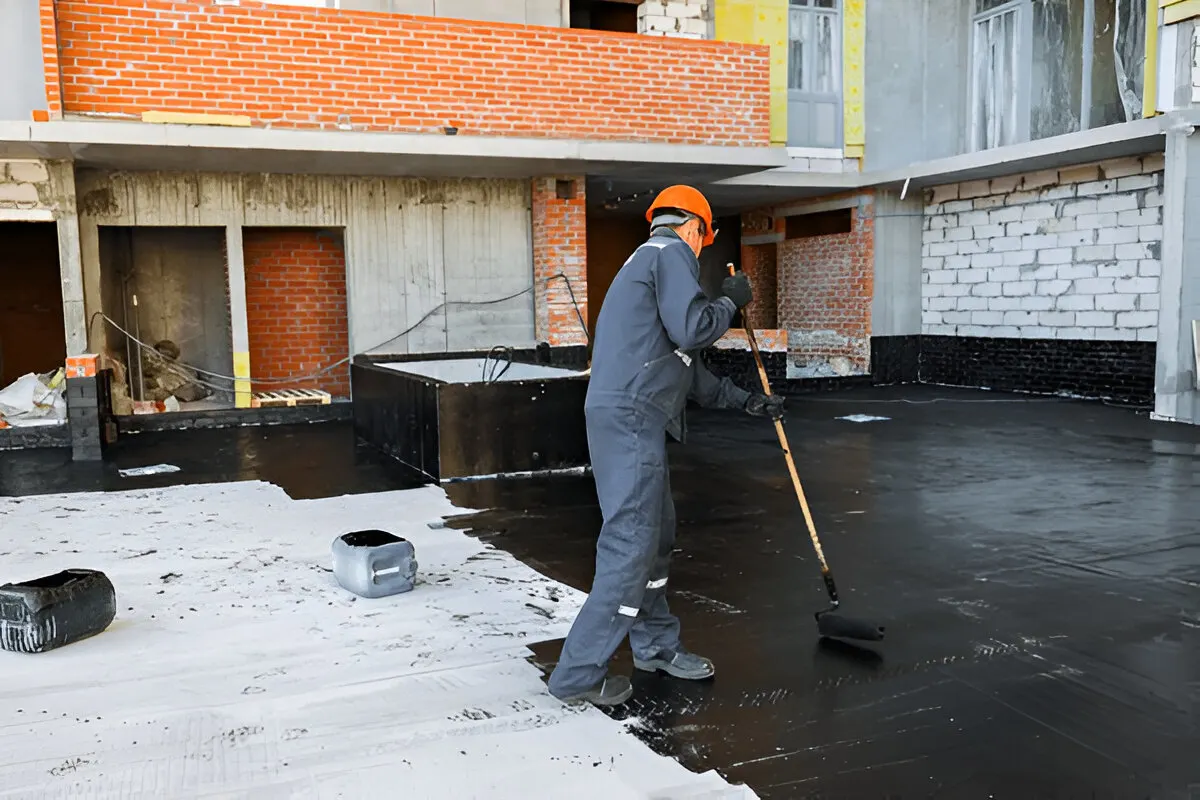
Interior waterproofing typically involves applying sealants or waterproof coatings on the inside walls and floors. This approach is a good fit for minor leaks or condensation. While it doesn’t stop water from reaching your foundation, it can help control moisture and improve air quality. This is a popular starting point for many homeowners looking for cost-effective basement moisture solutions.
Exterior Waterproofing
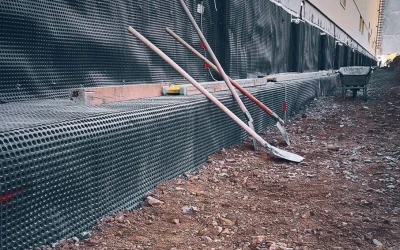
Exterior waterproofing is a more involved process but offers strong, long-lasting protection. It requires excavation around your foundation to install a waterproof membrane on the outside walls. This method stops water before it enters the basement, which makes it especially effective. Understanding the difference between interior vs. exterior waterproofing helps you decide which approach fits your needs and budget.
Drainage Systems
Drainage is key to preventing basement flooding and often involves installing interior or exterior solutions like French drains, weeping tiles, or sump pumps. These basement drainage systems are designed to move water away from your home’s foundation, protecting your basement from excess moisture. A properly done sump pump installation can be a game-changer during heavy rainfall or spring thaw.
Crack Injections
If your foundation has small cracks, water can easily find its way in. In these cases, crack injections using polyurethane or epoxy can seal the openings. While this method won’t address underlying drainage issues, it’s a good addition to a broader foundation waterproofing plan and can prevent future leaks.
Also Read: Basement Waterproofing Myths That Could Cost You Big
Factors Affecting Waterproofing Costs
When it comes to foundation waterproofing cost, there’s no one-size-fits-all answer. Several factors come into play:
- Size and Condition of Your Basement: Larger or finished basements usually require more work and materials.
- Type of Waterproofing Method: Interior solutions are generally more affordable, while exterior systems and drainage installations tend to be pricier.
- Soil and Climate Conditions: In parts of Toronto where soil retains water or the water table is high, more extensive solutions may be needed.
- Material and Labour Costs: These can vary depending on the contractor and the scope of the job.
In general, interior waterproofing might cost between $2,000 and $5,000, while exterior systems can range anywhere from $8,000 to over $15,000, depending on complexity.
DIY vs. Professional Waterproofing
There are plenty of DIY products on the market—sealants, waterproof paints, and crack fillers—that may seem like a quick fix. While these solutions can help with surface-level issues, they’re often temporary and may not address the root cause.
That’s where professional waterproofing contractors come in. They bring the experience, tools, and techniques needed to tackle everything from minor leaks to structural concerns. When the job involves excavation, sump pump installation, or structural repair, hiring a pro isn’t just a good idea—it’s necessary.
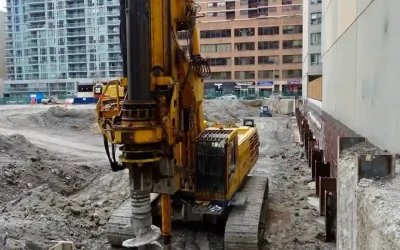
In more complex cases, such as when the foundation needs structural support, you might need additional services like helical pile installations. These deep-foundation supports are often used in combination with waterproofing to prevent further shifting or settling.
Choosing the Right Waterproofing Solution
Before jumping into a project, it’s important to properly assess your basement and understand what kind of waterproofing it actually needs. Start by asking the right questions:
Where is the water coming from?
- Has the issue been ongoing, or is it new?
- Do you need an interior fix, or does it require exterior work?
- What’s your budget and timeline?
- Does the contractor offer a warranty?
A trustworthy contractor will walk you through your options, answer your questions, and provide a tailored solution based on your home’s unique needs. For instance, GAMCON offers a range of basement drainage solutions designed specifically for Toronto homes, and their team can help you figure out which approach is right for your situation.
Long-Term Maintenance Tips

Once your basement is waterproofed, ongoing maintenance is key to ensuring everything continues to perform as it should. Here are a few tips:
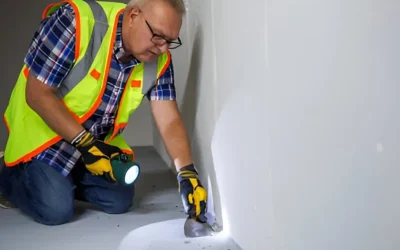
- Regular Inspections: Look for early signs of water intrusion, like damp spots, peeling paint, or musty odours.
- Test Your Sump Pump: Especially before spring or during rainy seasons, make sure your sump pump is working properly. If it has a backup system, check that, too.
- Keep Gutters Clear: Clean gutters and downspouts help divert water from your home, reducing pressure on your foundation.
- Watch Your Landscaping: Make sure the ground around your home slopes away from the foundation to avoid pooling.
Staying on top of these small tasks can help extend the life of your waterproofing system and save you from costly surprises down the road.
Protect Your Basement and Your Peace of Mind
When it comes to your home, your basement shouldn’t be an afterthought. Whether you’re dealing with occasional dampness or recurring flooding, taking action now can help avoid much bigger problems in the future. A solid basement waterproofing strategy and proper maintenance and drainage help you preserve your home’s value and comfort.
If you’re ready to take the next step, GAMCON is here to help. Our team specializes in foundation waterproofing and custom solutions tailored for Toronto homes. From sump pump installations to full drainage systems, we’ve got the expertise you need to keep your basement dry and protected.
Don’t wait for the next big rainstorm. Schedule a professional consultation with GAMCON today and find out how we can help you protect your home from the ground up.
GAMCON is your top choice for foundation waterproofing and helical piles in Toronto and the GTA. We’re not just another construction company; we’re a team of skilled specialists with a shared passion for creating the unseen foundations that make Toronto’s buildings stand tall. Whether you are planning a residential or commercial project, we have a solution, even if the space, soil conditions or complexity are demanding.
Call GAMCON today at (416) 888-4188 or complete our convenient online form to learn how we can help you protect your foundation.